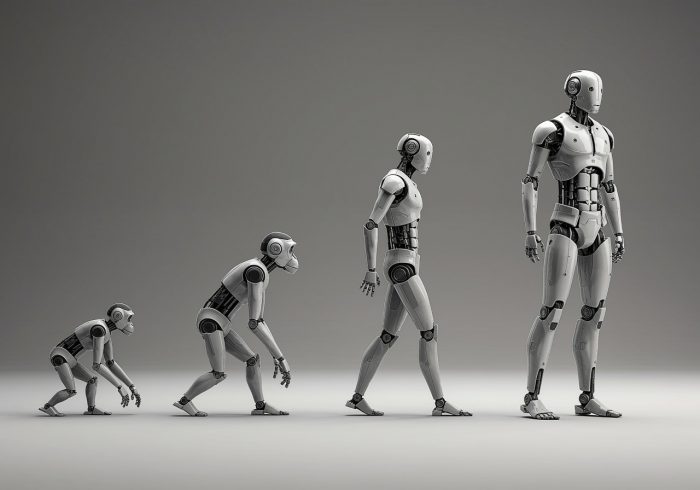
This article presents a historical perspective on the robotics sector spanning 2000 to 2026, tracking how industry evolution has been captured through ETF vehicles, specifically ROBO and THNQ. The analysis uses quantitative data to map technological progress onto portfolio constituents, offering a lens into how passive investment vehicles have mirrored real-world automation adoption.
The 26-year timeline is significant for understanding secular trends in robotics and artificial intelligence integration. By linking ETF performance to robotics growth metrics, the article underscores how thematic investing has matured alongside the underlying industry. This retrospective structure suggests that current robotics ETF holdings may reflect decades of cumulative innovation and consolidation.
For institutional investors, the key takeaway centers on how robotics-focused vehicles function as proxies for technological displacement and productivity gains. The mapping of constituents across two decades indicates which companies have maintained relevance through the automation revolution, though the article does not appear to forecast new catalysts or market inflection points.
Sector implication: Technology exposure remains elevated through specialized ETF structures. However, this is primarily educational and retrospective content rather than actionable market intelligence. The correlation to broad market sentiment depends on whether investors view robotics as defensive (productivity hedge) or cyclical (automation capex dependent).