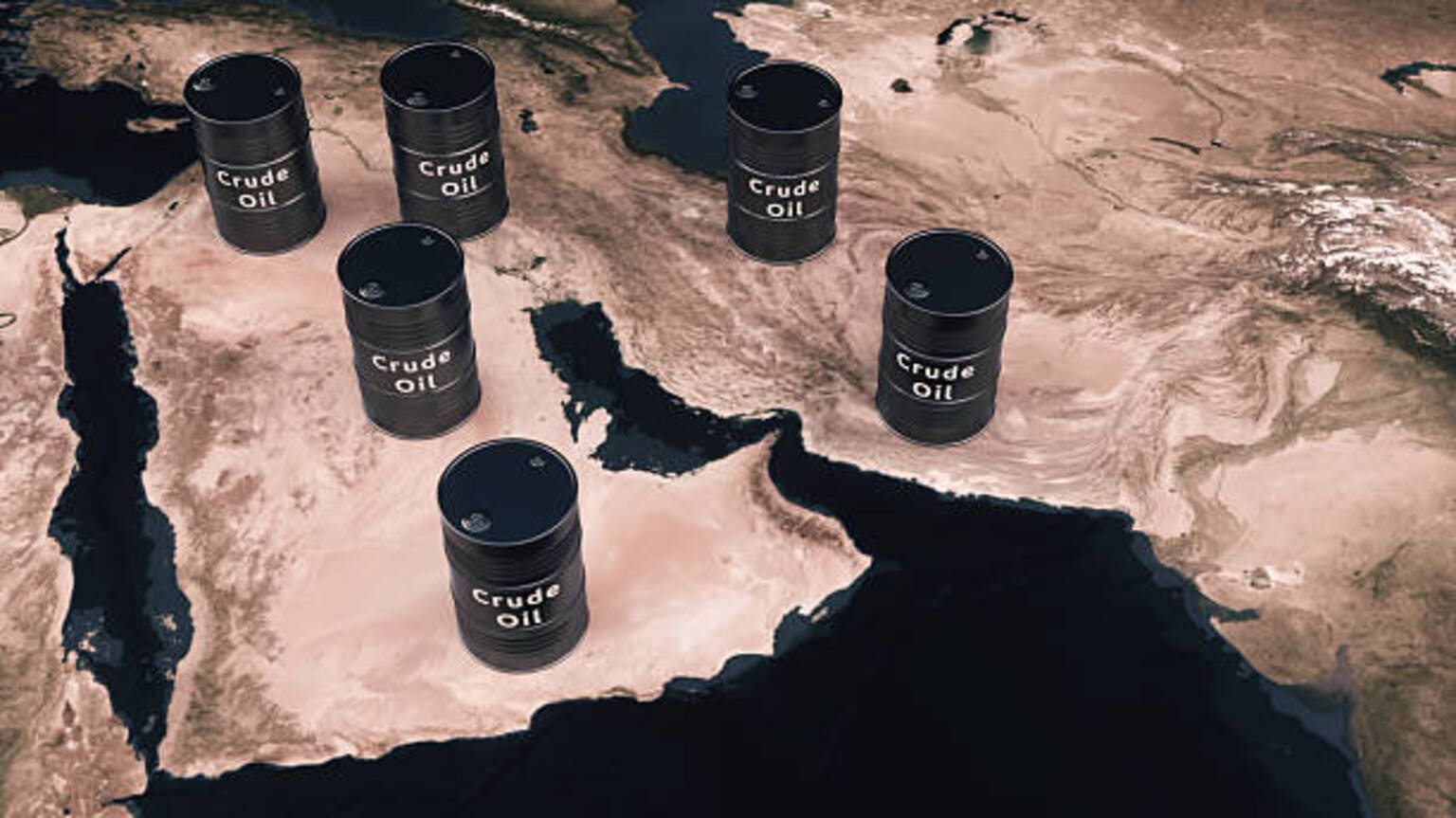
Patterson-UTI Energy (PTEN) receives a hold rating in an environment shaped by geopolitical developments in the Strait of Hormuz. The reopening of this critical chokepoint introduces structural uncertainty around global crude flows and pricing dynamics, directly impacting upstream service providers' operational economics and contract visibility.
The hold stance reflects balanced risk-reward positioning. While improved shipping lanes and normalized regional tensions could theoretically support demand for drilling services, the corresponding pressure on oil prices from increased supply availability creates offsetting headwinds for oilfield service valuations and utilization rates.
Oil price volatility remains the primary constraint on investor thesis clarity. PTEN's earnings leverage to commodity cycles means that ambiguous price trajectories limit conviction for outright accumulation, even as geopolitical risk premiums recede. Service companies typically underperform in price-decline scenarios despite normalized demand.
Sector implication: Energy infrastructure and oilfield services face competing narratives—supply normalization versus margin compression. The neutral rating suggests market efficiency is pricing these cross-currents appropriately, with PTEN positioned as neither compelling opportunity nor deteriorating risk at current levels.