Sodexo's €500 million annual technology budget signals a material shift toward automation and AI integration across global foodservice operations. This capital allocation reflects confidence in operational efficiency gains and competitive repositioning within a labor-constrained environment.
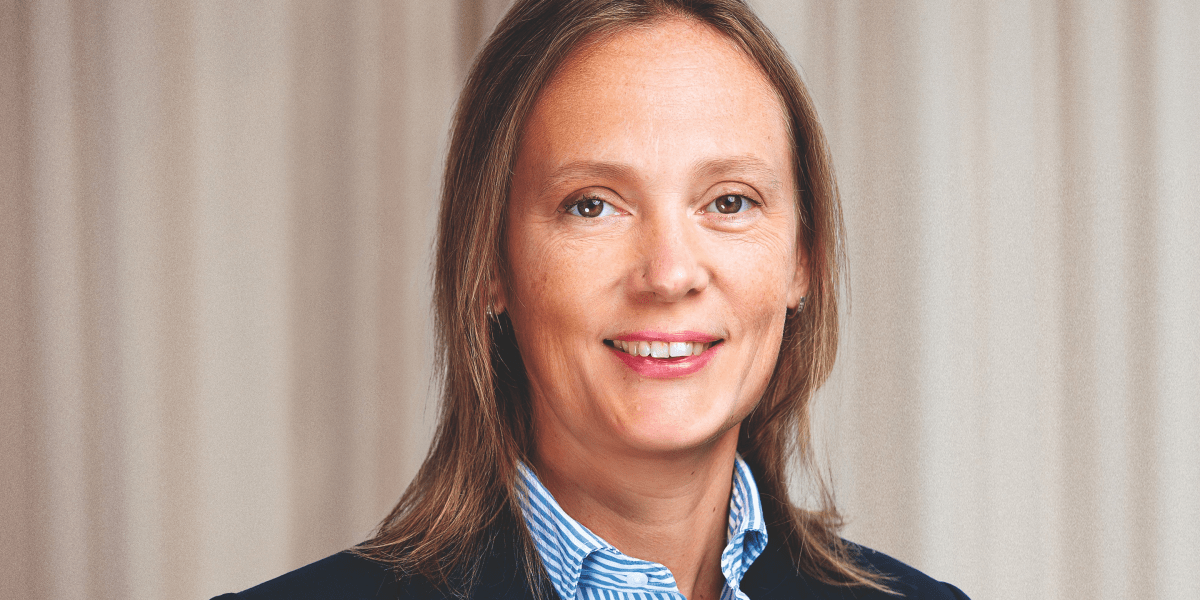
The robotics and AI investment thesis addresses persistent margin pressures in foodservice by reducing labor dependency and standardizing kitchen workflows. Under Guéhennec's oversight, technology adoption becomes a competitive moat rather than discretionary spending, implying management expects tangible ROI within medium-term planning horizons.
Foodservice operators face secular headwinds from wage inflation and workforce availability; Sodexo's capital intensity in automation suggests strategic differentiation through productivity rather than price increases. This positioning may appeal to institutional clients seeking cost stability and scalability.
Sector implication: The Industrials and Consumer Cyclical exposure reflects both equipment capital intensity and downstream benefits to client margins. Technology adoption in traditionally lower-tech sectors often attracts growth-oriented capital and may de-risk earnings resilience through recessionary cycles.