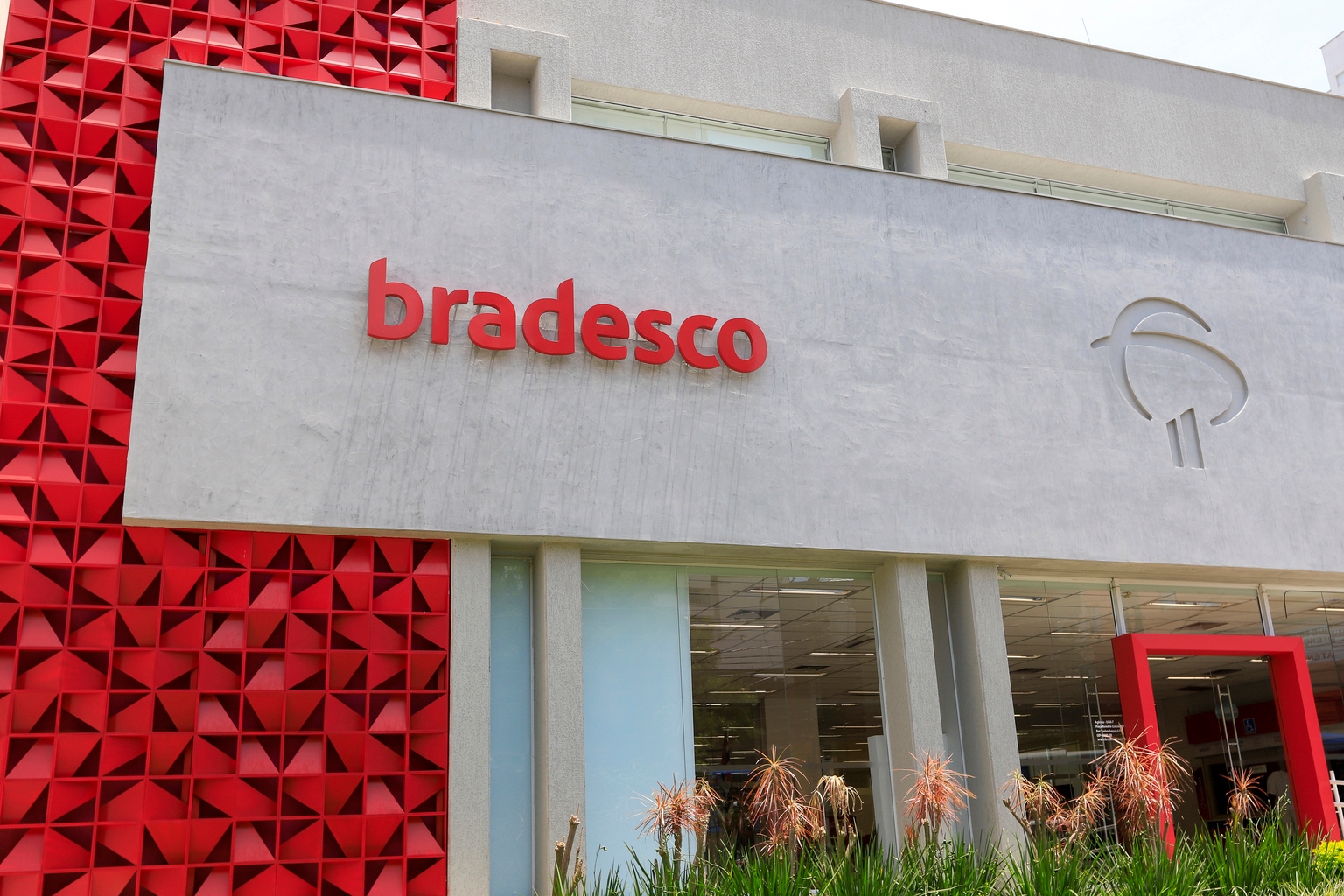
Bradesco (BBD), Brazil's second-largest bank, is exhibiting measurable profitability recovery signals as its Return on Average Equity (ROAE) spread—the differential between earnings yield and cost of capital—moves into positive territory. This metric reversal indicates the institution is beginning to generate returns above its weighted average cost of capital, a fundamental marker of value creation and operational efficiency improvement.
The pullback in BBD stock price is framed as an entry opportunity given the combination of improving underlying profitability metrics and a high single-digit dividend yield. The ROAE spread expansion reflects either improved net income margins, better asset deployment, or reduced funding costs—each signaling operational or market-driven tailwinds for the institution. This is particularly relevant in emerging-market banking where profitability cycles are sensitive to interest rate regimes and credit quality.
From a valuation perspective, the timing of this technical recovery against depressed share prices creates a potential asymmetric risk-reward setup. Investors are being presented with both yield cushion and capital appreciation optionality if the profitability trend sustains. The Brazilian financial sector's sensitivity to domestic economic conditions, currency dynamics, and central bank policy remains material to monitoring this thesis.
Sector implication: This is a localized fundamental improvement signal within emerging-market financial services, with secondary exposure to broader risk-on sentiment in developing markets. The strength of the recovery will depend on macroeconomic stability in Brazil and resilience of credit fundamentals.