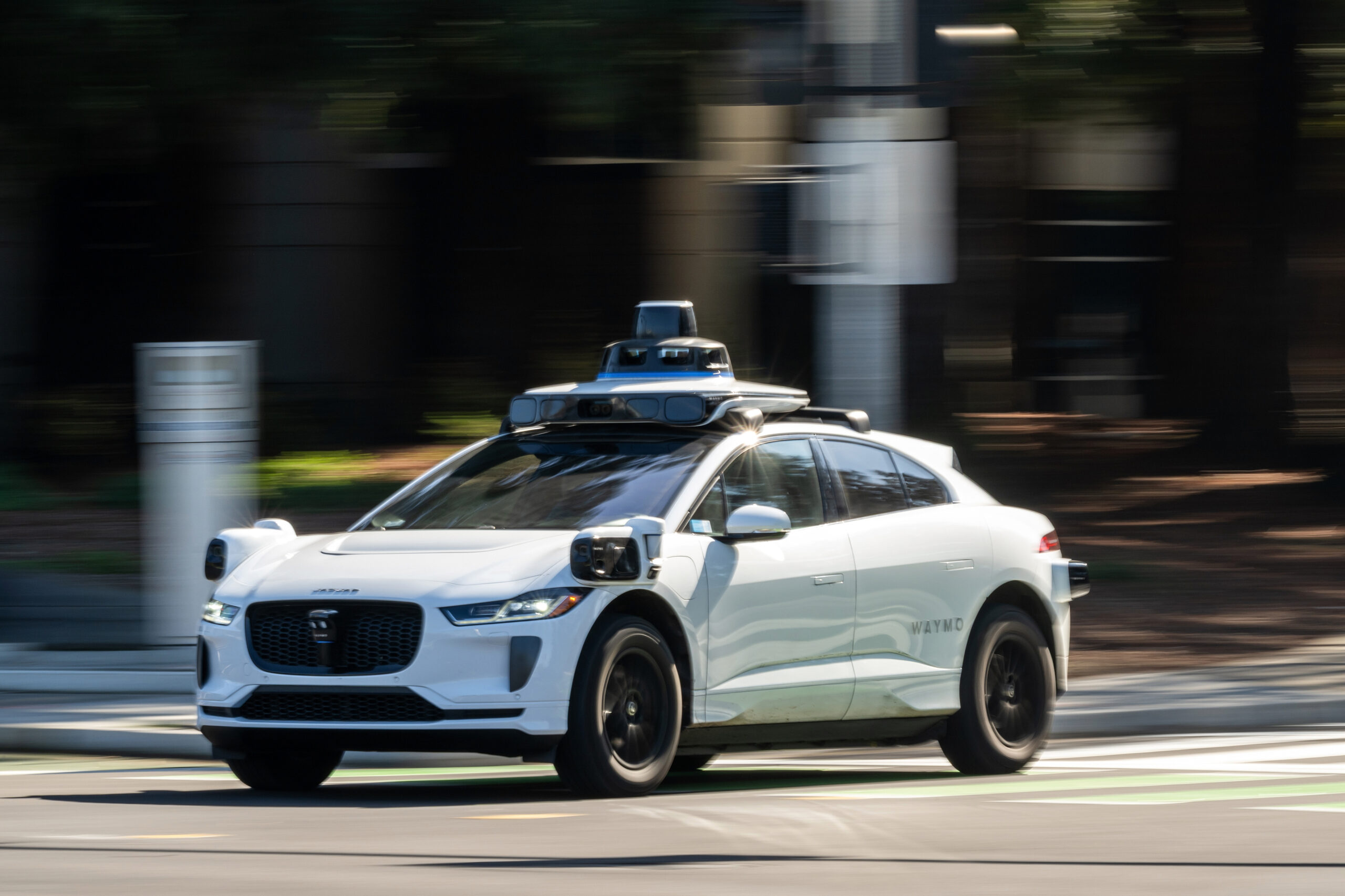
Uber and Alphabet's Waymo have terminated their robotaxi partnership in Phoenix, marking a strategic recalibration in autonomous vehicle deployment. This dissolution reflects evolving competitive dynamics within the autonomous ride-hailing segment, where both parties appear to be pursuing independent operational models rather than collaborative ones.
The termination suggests Uber intends to establish robotaxi capabilities through alternative partnerships, potentially signaling friction over revenue-sharing arrangements, operational control, or technology integration. Waymo conversely maintains its own robotaxi operations, indicating confidence in standalone market viability despite the partnership breakdown. The move underscores persistent challenges in autonomous vehicle commercialization timelines and unit economics.
For technology investors, this reflects normal consolidation within emerging autonomous mobility ecosystems rather than systemic disruption. The partnership wind-down does not materially alter long-term AV development trajectories for either firm, as both maintain independent capabilities and ongoing trials in other geographies. Market focus remains on profitability metrics and regulatory pathway clarity.
Sector implication: Technology sector exposure remains neutral; the event represents tactical realignment rather than strategic inflection. Autonomous vehicle commercialization timelines continue to extend, maintaining structural uncertainty for near-term margin expansion in ride-hailing operations.