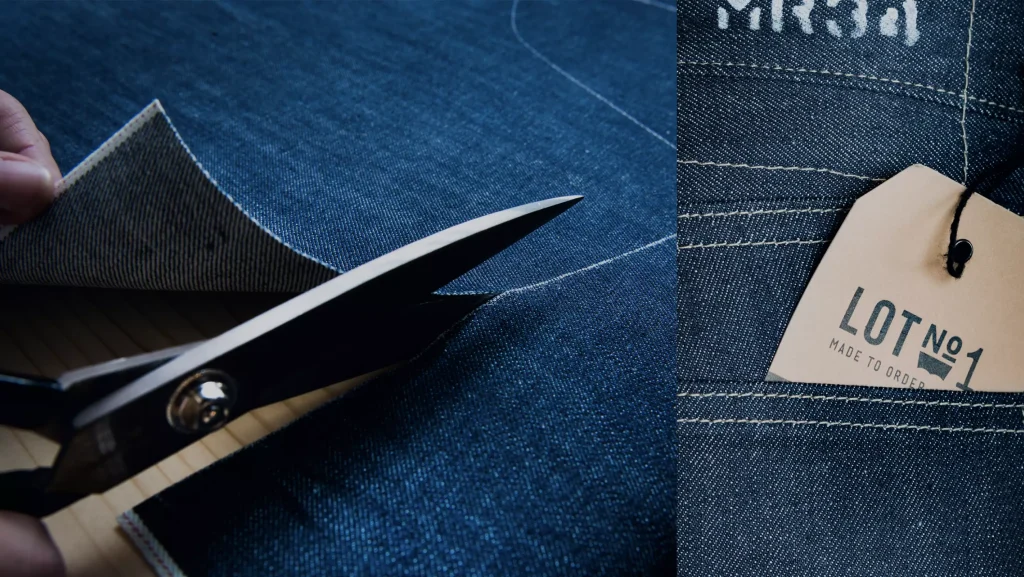
Levi Strauss has opened a premium made-to-order jeans service at its London Soho flagship store, with custom pieces priced at £650 and above. This represents a localized luxury initiative targeting high-net-worth consumers seeking personalized denim experiences. The offering leverages premium selvedge materials and bespoke tailoring to differentiate from mass-market offerings.
The move reflects LEVI's strategy to expand its pricing architecture and capture margin uplift through direct-to-consumer luxury positioning. Made-to-order models inherently reduce inventory risk and improve cash flow dynamics by operating on pre-purchase commitments. This aligns with broader consumer goods premiumization trends, where established heritage brands leverage brand equity to justify elevated price points.
However, the initiative is geographically constrained to a single London location, limiting immediate revenue materiality. Market saturation in ultra-premium denim remains niche, and execution risk exists around sustained demand and operational scalability. The service targets discretionary spending, making it cyclically sensitive to economic downturns affecting affluent consumers.
Sector implication: This represents a tactical product mix optimization rather than transformational growth. The Consumer Cyclical sector benefits modestly from demonstrated pricing power, but the narrow geographic and customer base scope constrains systemic impact on LEVI's consolidated performance metrics.