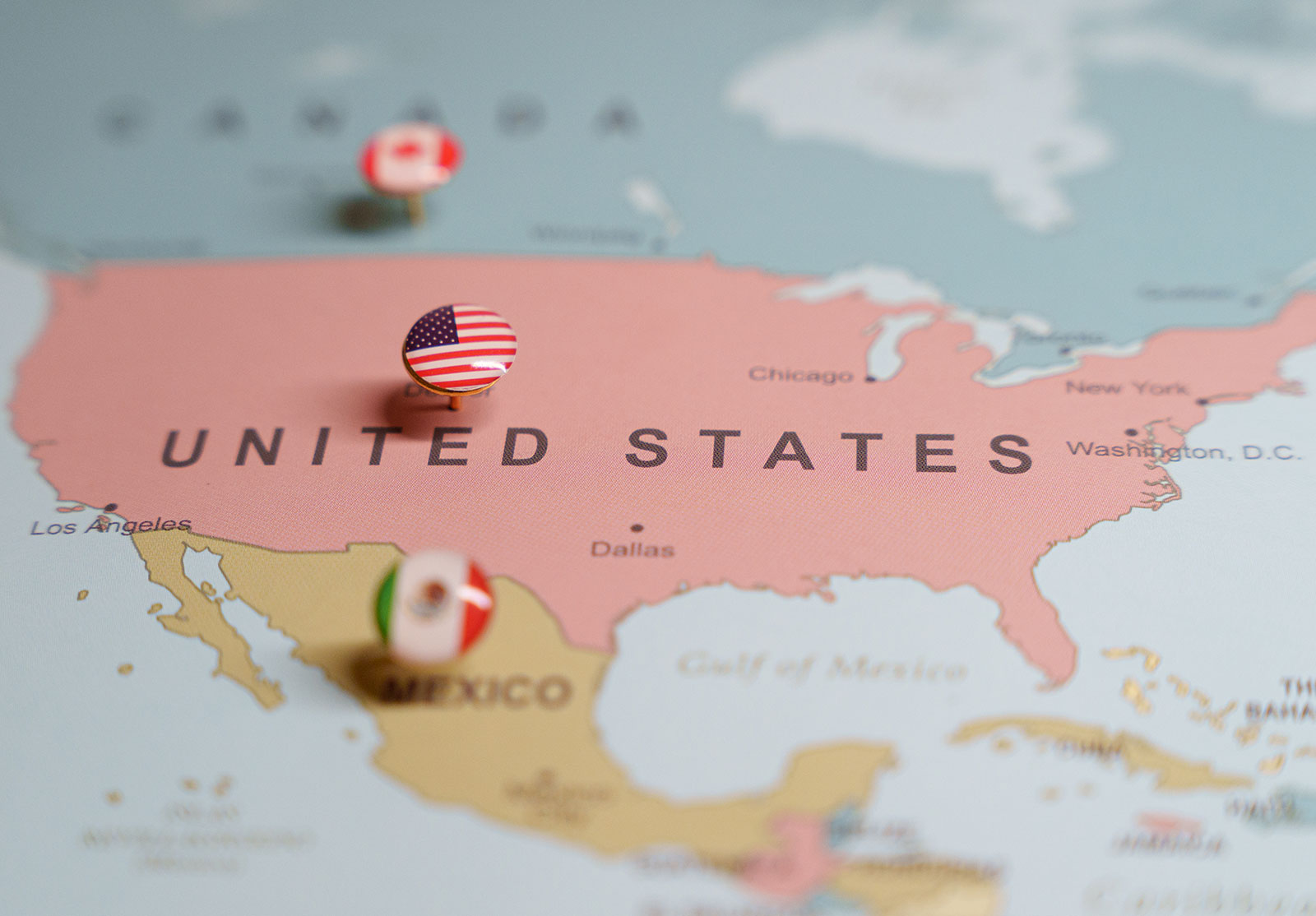
The U.S. has allowed a critical deadline to pass without initiating formal renegotiation discussions regarding the Canada-U.S.-Mexico Agreement (CUSMA), the successor to NAFTA. This development signals a continuation of the status quo rather than immediate trade tension, as the agreement remains in effect pending any formal review process.
The absence of negotiations at this juncture reduces near-term uncertainty around North American trade rules, particularly for cross-border financial services and manufacturing operations. BMO and other Canadian financial institutions with significant U.S. exposure face minimal immediate disruption, though the underlying political posture on trade remains unsettled.
The deadline passage reflects strategic patience or deprioritization rather than outright dismissal of trade concerns. Companies dependent on tariff-sensitive cross-border supply chains—especially in automotive, agriculture, and technology manufacturing—should monitor when substantive negotiations eventually commence, as renegotiation terms could materially alter competitive dynamics.
Sector implication: Financial Services and Industrials with Canadian operations face modest uncertainty over a multi-year horizon. The neutral outcome avoids near-term market shock but preserves structural trade policy risk as a longer-term consideration for investors with significant CUSMA-zone exposure.