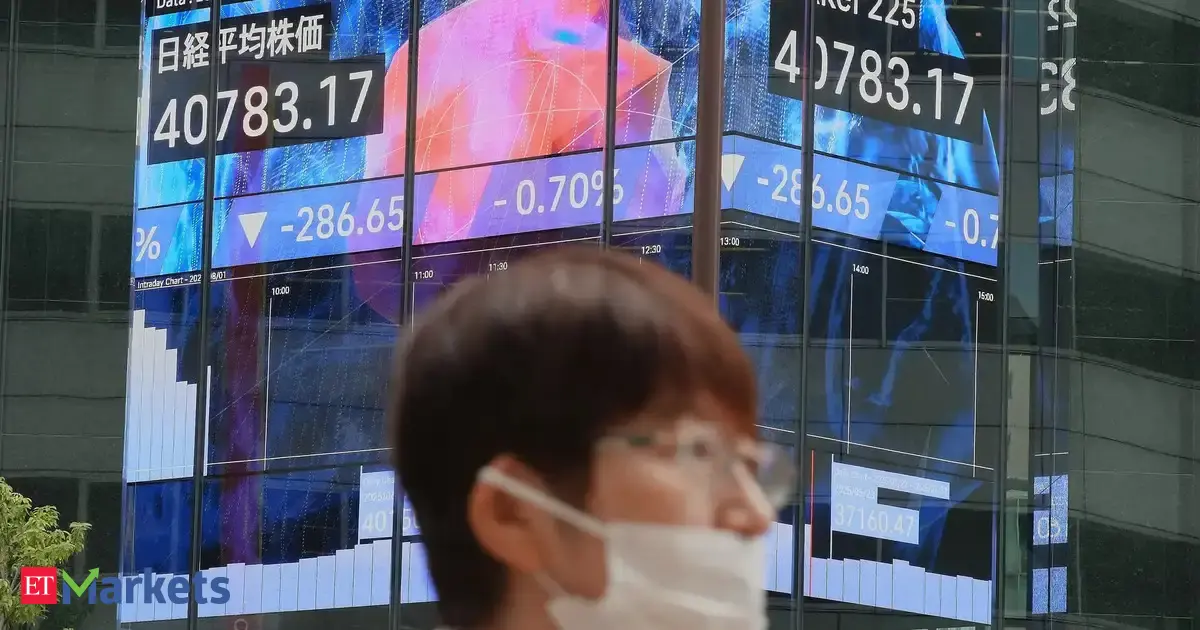
Japan's Nikkei index demonstrated intraday volatility before recovering to close in positive territory, reflecting a sector-rotation dynamic rather than broad-based conviction. The reversal was anchored by semiconductor and technology stocks, which capitalized on South Korea's announced mega-investments in chip manufacturing and artificial intelligence infrastructure. This external catalyst shifted investor appetite away from early-session pessimism.
Beneficiaries included Sony and Nintendo, both of which derive substantial revenue from gaming and consumer electronics exposure to semiconductor supply chains. The recovery underscores how regional tech policy announcements can trigger tactical repositioning, particularly in export-dependent economies like Japan where chip competitiveness carries strategic weight. The initial decline suggests underlying macro concerns were present before the South Korean news provided tactical relief.
Energy stocks moved countertrend, declining during the recovery phase, indicating a shift in risk preferences toward growth-oriented sectors rather than defensive commodity plays. This sectoral divergence suggests investors favored tech opportunity over energy stability, consistent with global momentum themes around AI infrastructure and semiconductor supply chain optimization.
Sector implication: The Nikkei's recovery pattern reflects tactical rotation into technology following external policy support, rather than fundamental demand acceleration. Semiconductor exposure and AI-adjacent equities face continued momentum sensitivity to policy announcements, while energy faces headwinds from shifting capital flows in risk-on environments.