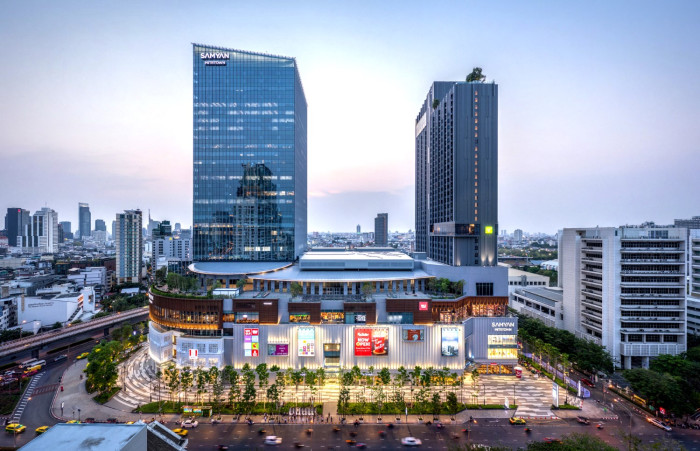
Frasers Property Thailand exemplifies a broadening trend in emerging-market real estate where traditional property developers are pivoting toward recurring-revenue models. This structural shift reflects investor demand for stable, long-duration cash flows rather than lump-sum transaction-based returns, particularly in volatile macroeconomic conditions.
The diversification into industrial facilities, logistics warehouses, office, retail, and hospitality assets represents a fundamental repositioning of developer business models across Southeast Asia. This multi-asset platform approach reduces single-sector dependency and creates embedded inflation protection through long-term lease agreements—critical for markets facing currency or interest-rate pressures.
For equity investors tracking emerging-market real estate, this signals a maturation in asset class construction. Companies executing this transition early may command premium valuations relative to pure-play residential developers, though execution risk remains material in high-inflation or recessionary environments.
Sector implication: Real estate REITs and diversified property platforms in Thailand and regional peers may benefit from improved visibility and predictability, though the broader correlation to global risk sentiment and foreign capital flows will dominate near-term performance.