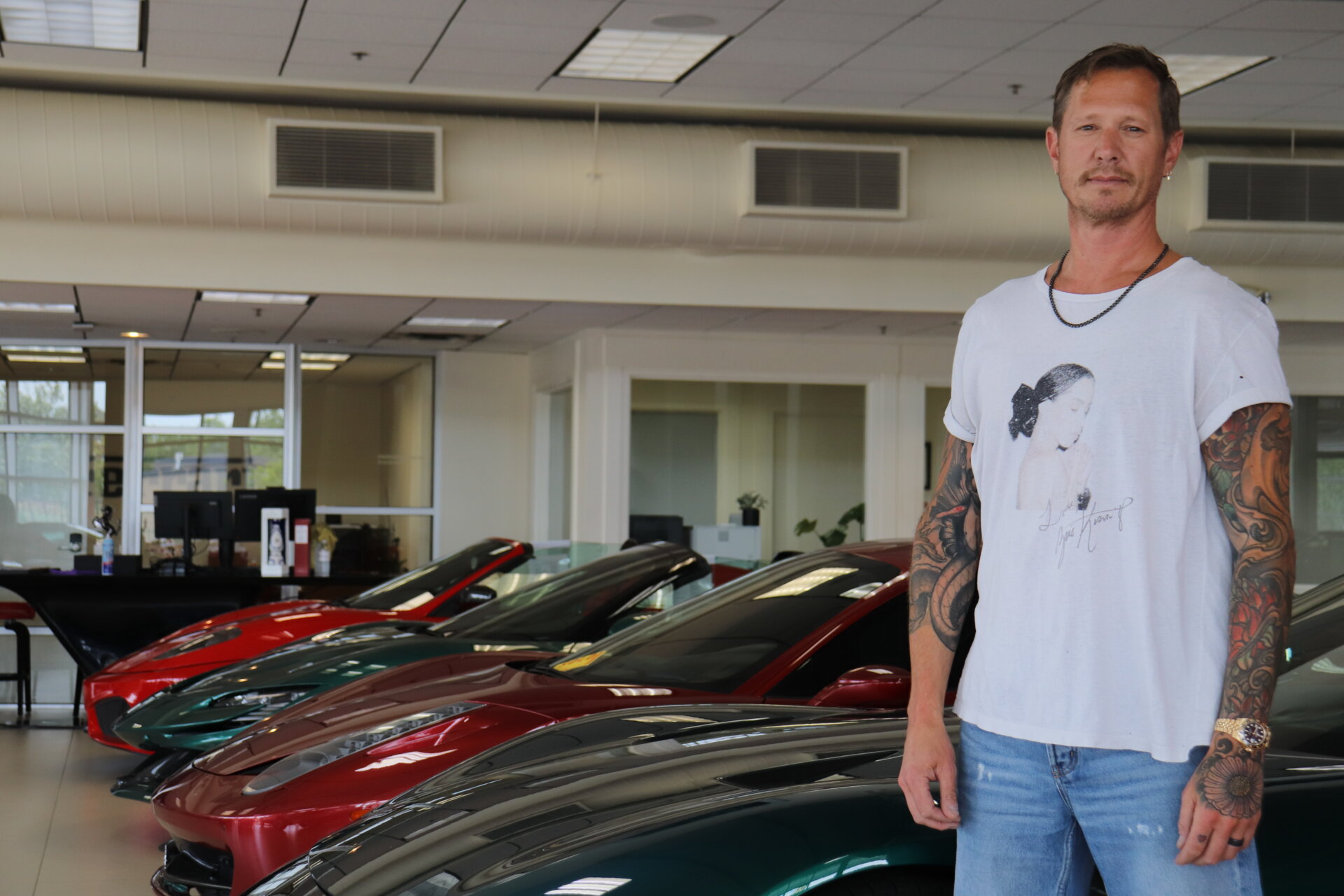
Woodhouse Auto Family's acquisition of Ferrari of Denver represents a routine dealership consolidation within the luxury automotive retail segment. The transaction involves LAD (Lithia Motors/Asbury Automotive Group competitive set) market dynamics, though direct operational overlap is minimal given Ferrari's ultra-premium positioning and limited annual unit volumes.
Jason Pittack's stated intention to expand product offerings and enhance operational efficiency at the Colorado location reflects standard private equity/consolidator playbook tactics: cost synergies, inventory optimization, and customer experience upgrades. These initiatives typically yield 1-3% margin improvements but are incremental to broader dealer group performance.
The luxury automotive retail segment faces structural headwinds including EV transition uncertainty, elevated financing costs, and consumer demand normalization post-pandemic. Ferrari's exclusive brand positioning insulates the dealership from mass-market competitive pressures, but capital intensity and inventory financing costs remain material operational considerations for the acquiring group.
Sector implication: This dealership transaction has negligible correlation with S&P 500 equity markets. Consumer Cyclical exposure remains subdued; luxury goods resilience is offset by broader auto-retail margin compression and inventory management risks in a moderating demand environment.