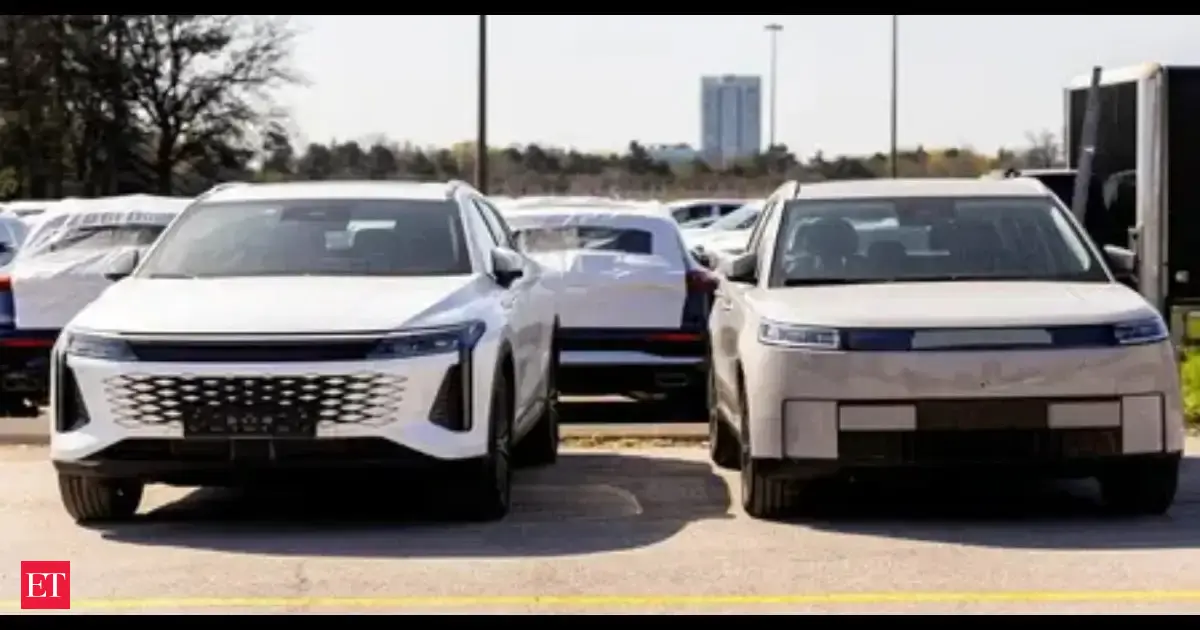
Chinese automotive manufacturers have achieved a historic milestone by capturing over 11% of the European new car market in May, signaling a structural shift in global automotive competition. This represents the first time Chinese brands have crossed the double-digit threshold in Europe, underpinned by accelerating adoption of hybrid and plug-in hybrid powertrains that cater to regional regulatory and consumer preferences.
The competitive advantage stems from value proposition superiority—Chinese makers are delivering comparable or superior feature sets at lower price points than established European and Japanese competitors. This pricing-to-feature ratio disparity suggests structural cost advantages in manufacturing, supply chain, or R&D that extend beyond cyclical factors. The rapid adaptation to hybrid demand reflects operational agility that traditional automakers have struggled to match.
For legacy automakers like Renault, this represents margin compression and volume displacement in a critical market. European manufacturers face a two-front squeeze: Chinese competitors attacking on value while managing the capital-intensive EV transition. Market share erosion of this magnitude, even at 11%, implies pricing pressure and potential earnings headwinds across the European auto supply chain.
Sector implication: The Consumer Cyclical sector, particularly automotive and component suppliers, faces structural demand displacement and margin pressure in Europe. This trend accelerates the competitive reordering toward cost-dominant Chinese players and may force consolidation or strategic partnerships among traditional OEMs.