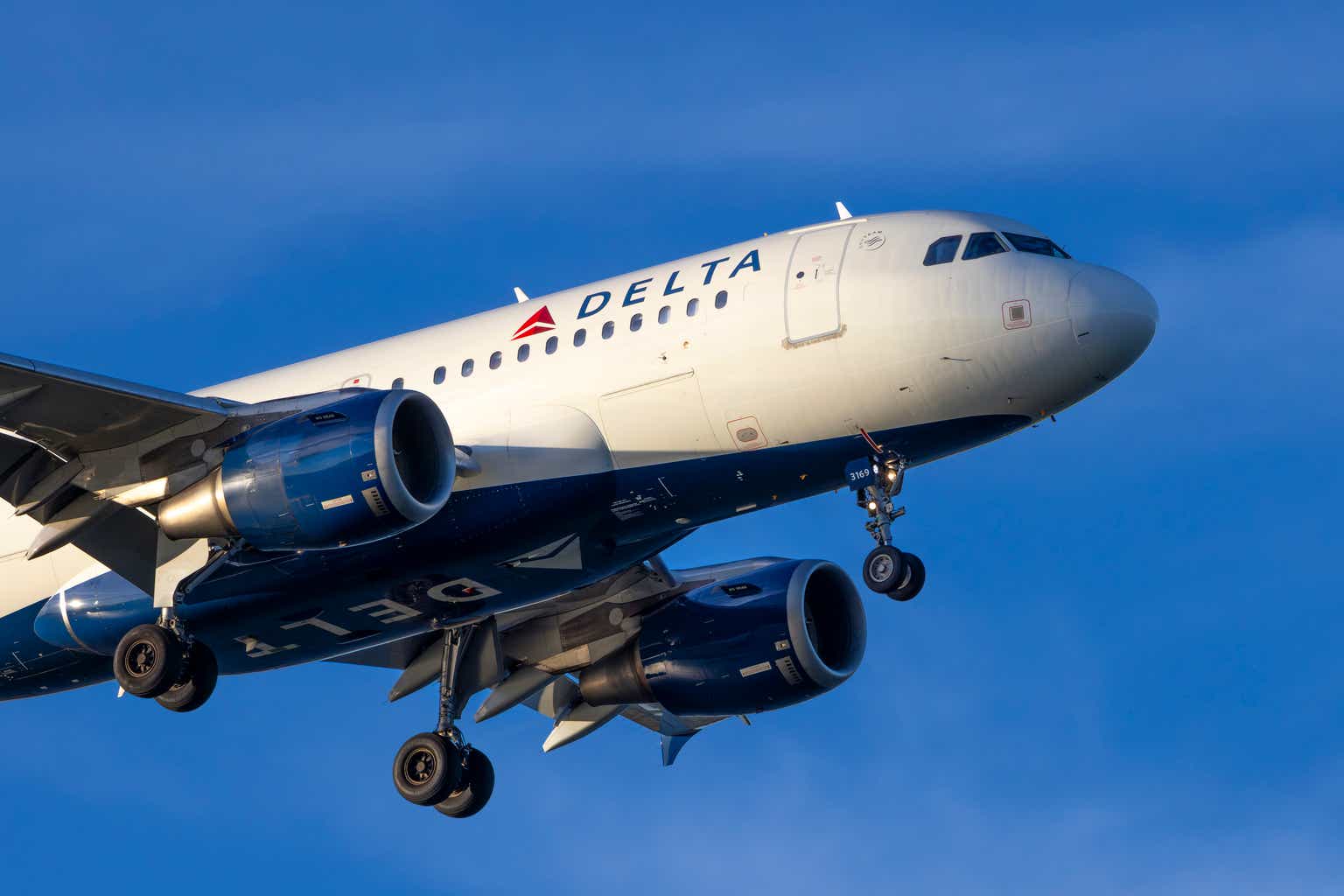
Delta Air Lines (DAL) faces near-term earnings pressure despite a robust 31% year-to-date rally, creating a potential valuation disconnect. The stock's recent strength has priced in optimistic demand assumptions that may not materialize given headwinds in the operating environment.
Elevated fuel costs represent the primary margin compression driver for Q2 and Q3 results. Unlike pricing power in other sectors, airlines operate in a commoditized, highly competitive market where fuel surcharges face passenger resistance and capacity discipline is difficult to enforce. This structural vulnerability means DAL cannot easily offset input cost inflation through revenue growth alone.
The combination of a likely Q2 earnings miss coupled with cautious Q3 guidance signals management confidence deterioration. Market participants should distinguish between DAL's strong pricing environment from post-pandemic demand recovery versus sustainable profitability—two distinct phenomena. A guidance reduction would validate concerns about demand elasticity at current fare levels.
Sector implication: This dynamic reflects broader cyclical airline exposure where capital intensity and fuel volatility create asymmetric risk-reward at premium valuations. Investor positioning may unwind if guidance proves sufficiently weak, pressuring other transport and discretionary travel operators.