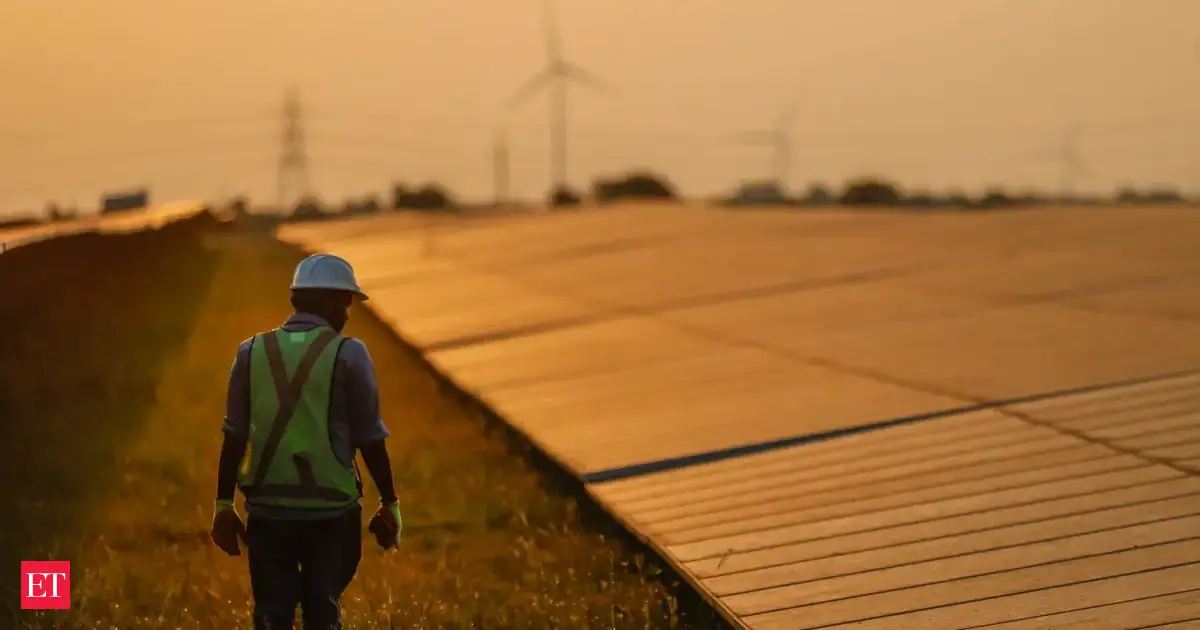
India's $55 billion renewable energy pipeline faces material headwinds from climate-driven infrastructure vulnerability, with 90% of proposed capacity across ten states classified as high-risk from extreme weather events by 2030. This represents a significant execution risk for the nation's clean energy transition agenda and investor confidence in emerging-market energy infrastructure.
The climate damage threat creates a dual problem: delayed project timelines and increased capital expenditure requirements for resilience measures. Projects vulnerable to floods and wildfires face construction interruptions, regulatory scrutiny, and potential abandonment, which could reset India's renewable deployment schedule by 3-5 years and inflate financing costs across the sector.
For investors exposed to India's renewable energy ecosystem—including ZURVY and ZFSVF—this development introduces project-level cash flow uncertainty and reputational pressure on ESG portfolios. Lenders may demand higher risk premiums, and insurance costs for climate-exposed assets will likely rise, compressing margins across development and operations.
Sector implication: Indian renewable energy and utility stocks face near-term repricing as climate risk becomes quantified and capitalized. This underscores the tension between global decarbonization mandates and physical asset fragility in emerging markets, potentially reshaping capital allocation toward climate-resilient infrastructure providers.