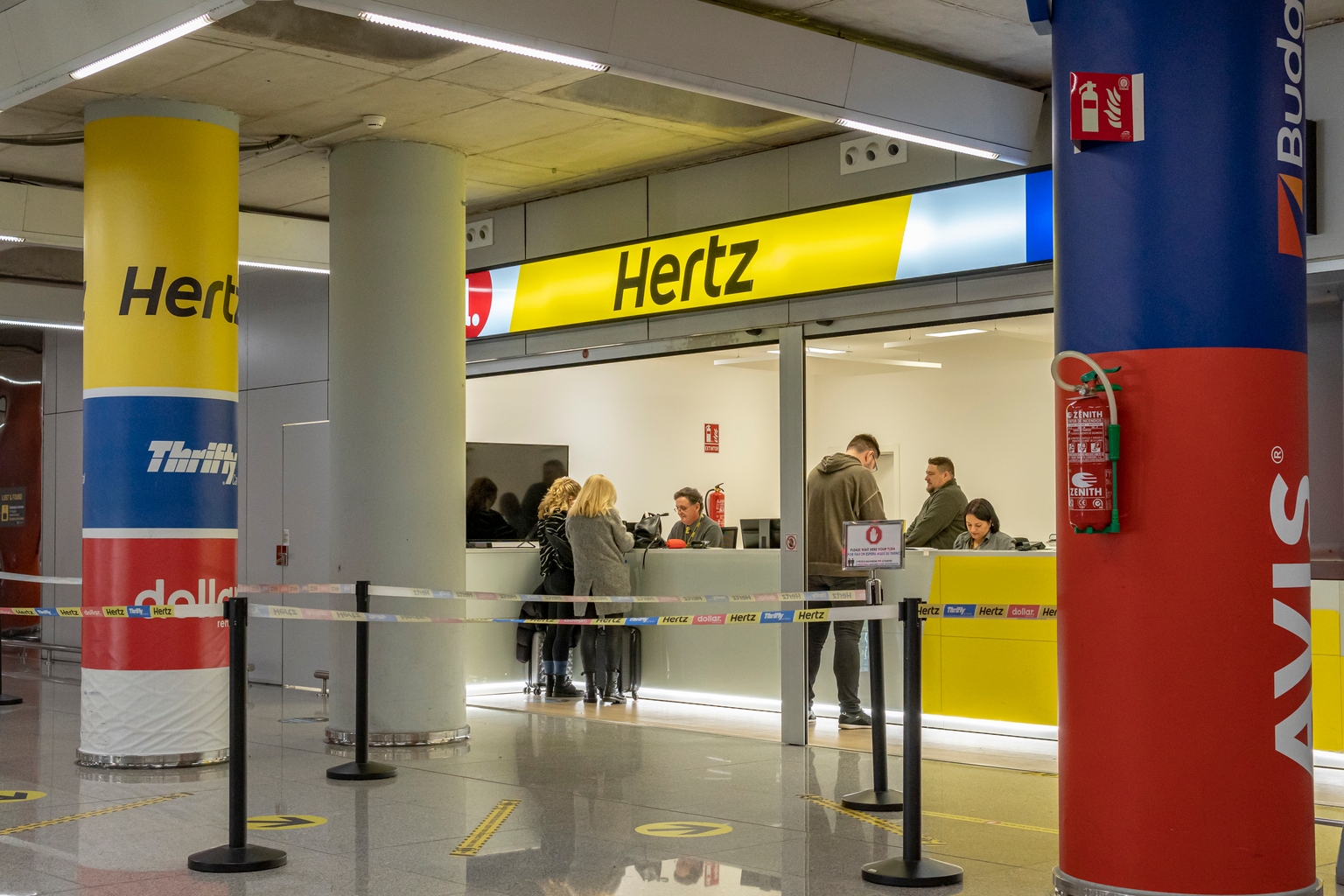
Hertz Global Holdings faces structural headwinds that extend beyond typical shareholder dilution concerns. The HTZ downgrade to SELL reflects an analyst reassessment of fundamental viability, not merely equity issuance mechanics. Discounted share offerings signal management's capitulation on valuation and raise questions about access to capital markets at normal pricing.
The combination of guidance reduction and dilutive equity raises suggests underlying operational deterioration in the rental car segment. This pattern—capital raise coupled with lowered outlook—typically indicates management lacks confidence in near-term cash generation and profitability recovery. The market interprets such moves as harbingers of deeper structural problems in asset utilization, fleet pricing, or competitive positioning.
HTZ operates in a consumer cyclical sector vulnerable to demand shocks and fixed-cost burdens from fleet obligations. A downgrade of this magnitude implies the analyst base now questions whether the company can service debt and generate returns sufficient to justify equity investment, particularly if economic momentum slows or travel demand softens.
Sector implication: The rental car industry remains pressured by labor costs, used-car market volatility, and transition-period uncertainty. HTZ's specific weakness may not immediately contagion peers, but it reinforces cyclical headwinds in consumer discretionary mobility services during a period of potential demand normalization.