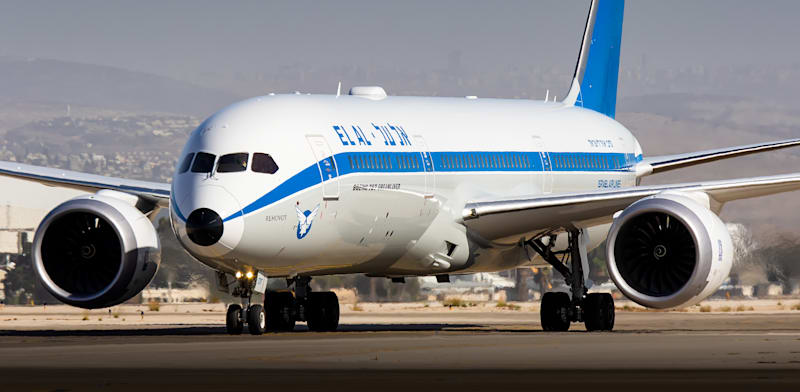
El Al, Israel's flag carrier, has suspended operations to Moscow citing geopolitical tensions and regional aviation safety concerns. This decision reflects heightened operational risk in Eastern European airspace and represents a structural revenue loss for the airline's international route network.
The suspension eliminates a meaningful revenue stream for ELALF, though the financial impact remains contained given Moscow represented a smaller portion of the carrier's total capacity. However, the move signals deepening travel restrictions and airline route rationalization driven by geopolitical factors—a trend affecting multiple carriers with Russian exposure.
This is symptomatic of broader aviation sector fragmentation, where carriers are reducing exposure to conflict-adjacent regions. Insurance costs, fuel surcharges, and operational complexity in disputed airspace are creating structural headwinds for international air transport, particularly affecting European and Middle Eastern hubs.
Sector implication: Airlines dependent on Russian and Eastern European routes face margin compression from route suspensions and elevated operational costs. This affects pricing power and network efficiency for carriers like El Al, though impact is modest relative to major US carriers. Geopolitical fragmentation of flight networks remains a secondary headwind for the Industrials sector.