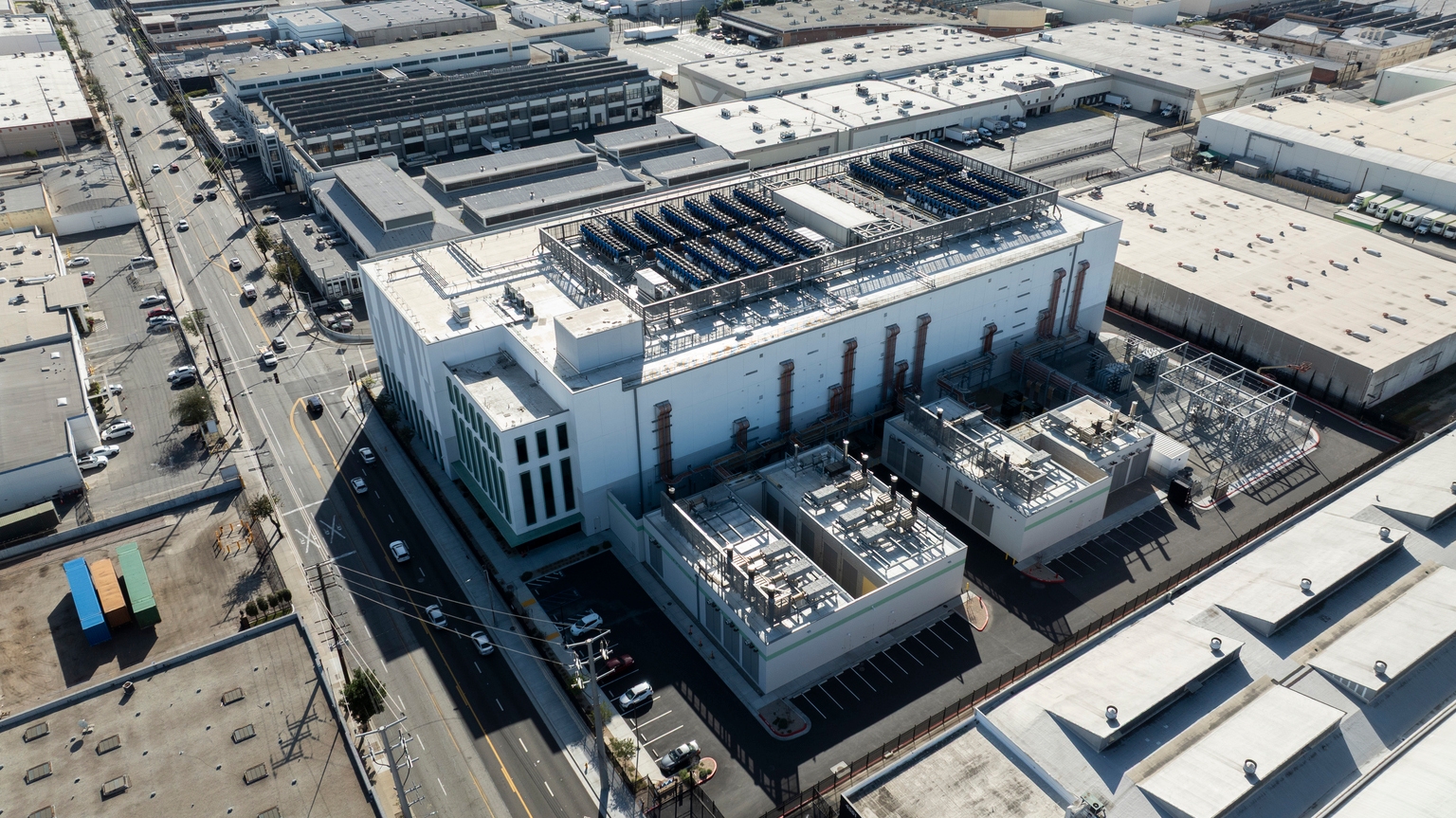
Alphabet is executing a strategic pivot from its traditional capital-light software and advertising model toward infrastructure-intensive AI development. This structural transformation represents a fundamental reshaping of the company's cost and capital allocation profile, requiring sustained investment in computational capacity, data centers, and AI research capabilities.
The shift from software-centric economics to infrastructure-heavy operations carries dual implications. On one hand, this positions GOOG to capture value across the AI value chain and reduce dependency on any single product line. On the other hand, margin compression and elevated capex cycles will pressure near-term profitability metrics and free cash flow, altering investor return expectations relative to historical patterns.
This evolution mirrors competitive pressures across Big Tech, where pricing power in AI services remains unproven at scale. The company's ability to monetize infrastructure investments and convert compute capacity into revenue will determine whether this capex intensity yields competitive moat or margin dilution.
Sector implication: Technology sector fundamentals will increasingly diverge between capital-intensive AI infrastructure players and legacy software operators. Market repricing of Technology valuations may reflect duration risk from elevated capex cycles, particularly if AI revenue growth fails to materialize at anticipated rates.