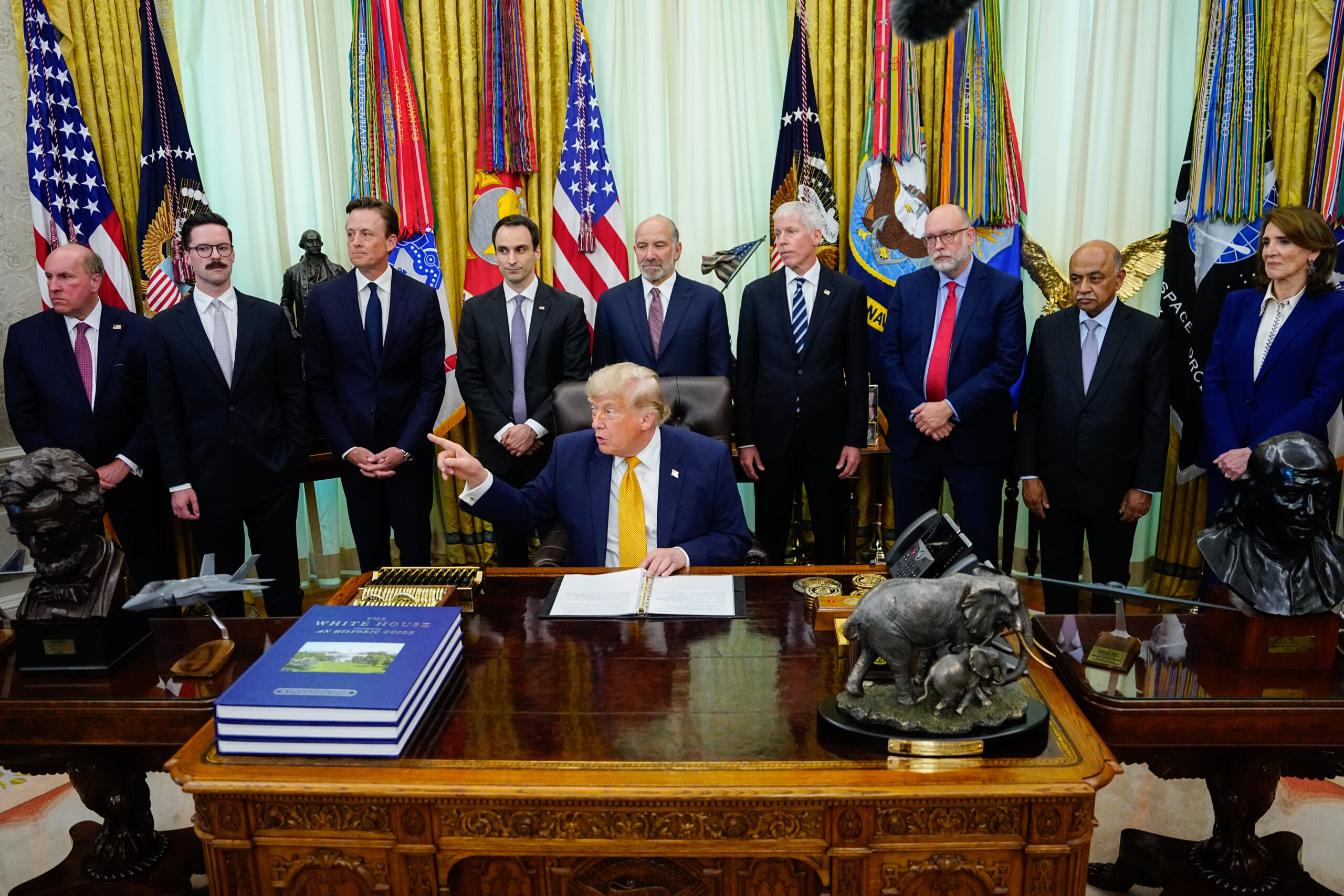
President Trump's executive orders on quantum adoption and cybersecurity represent a material policy shift with direct implications for technology infrastructure spending. Federal mandates to accelerate quantum research and upgrade defenses create sustained demand visibility across hardware, software, and security ecosystems, fundamentally altering procurement timelines for agencies and contractors.
IBM and cloud-native platforms are positioned as primary beneficiaries given legacy federal relationships and quantum computing leadership. The directive creates a multi-year capex cycle, contrasting with typical government procurement volatility and signaling commitment to domestic technology resilience independent of budget cycles. GOOG/GOOGL benefits indirectly through quantum research partnerships and enterprise security services revenue acceleration.
Cyber defense mandates extend beyond quantum into legacy system hardening, broadening addressable markets across encryption, identity management, and threat detection vendors. This represents a shift toward preventative infrastructure spending rather than reactive remediation, elevating margins for specialized providers and reducing cyclicality risk.
Sector implication: Technology and communication sectors experience positive momentum from policy-driven secular demand growth. The directive reduces discretionary timing risk for federal IT budgets and creates structural tailwinds for quantum-adjacent hardware, enterprise software, and cybersecurity providers through fiscal 2026+.