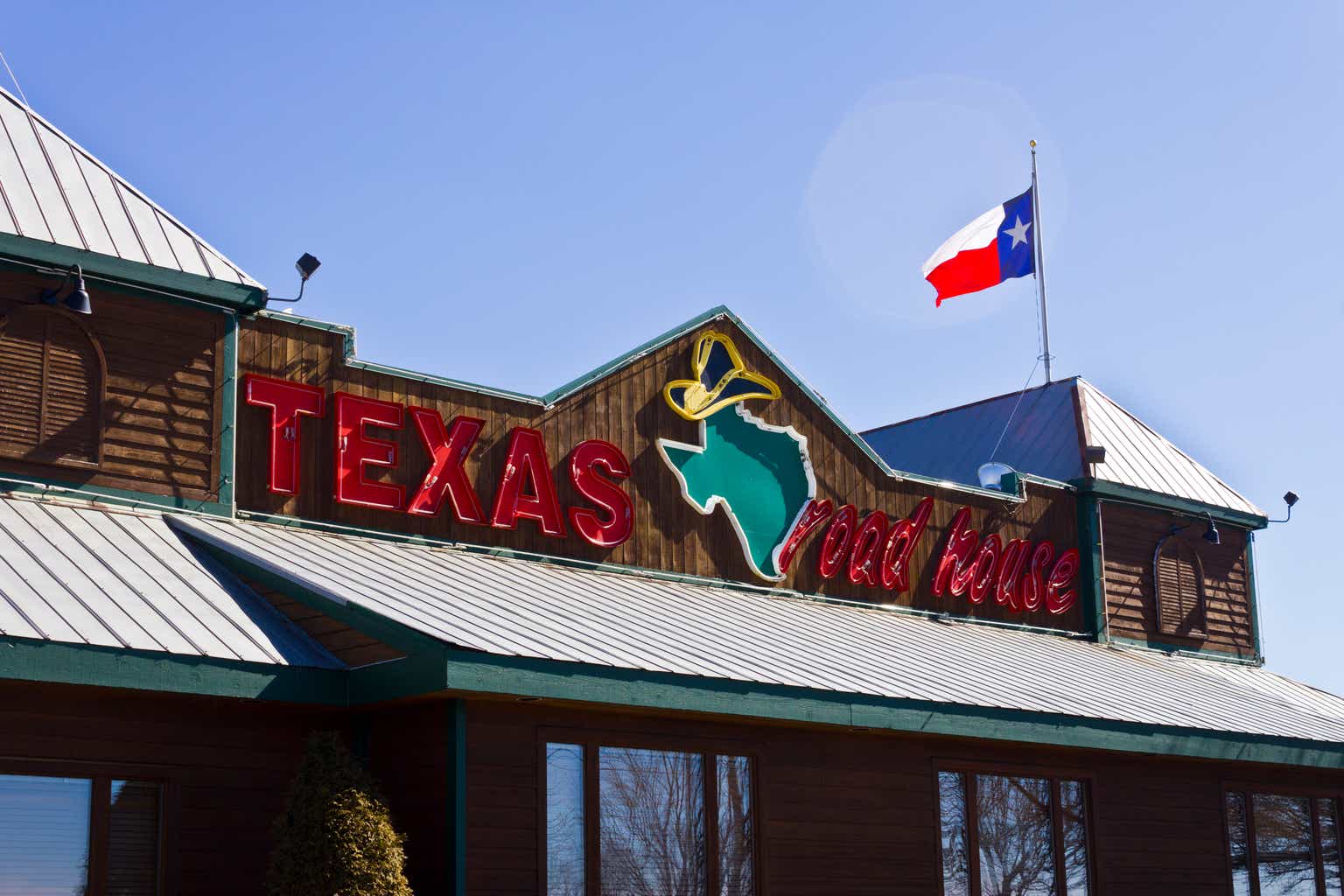
TXRH has delivered 17% annual returns, outpacing the S&P 500, positioning the casual dining operator as a relative outperformer in a competitive restaurant landscape. The thesis centers on how rising beef costs—typically viewed as a sector headwind—have become a structural advantage for the company rather than a margin pressure point.
Higher commodity input costs often trigger industry-wide margin compression, but TXRH's operational efficiency and brand positioning in the steakhouse category allow selective pricing power and customer retention that competitors lack. This dynamic suggests the company has embedded cost pass-through capability into its menu and customer psychology, enabling it to absorb or offset inflation that would pressure lower-tier casual dining peers.
The outperformance reflects both defensive demand (dining frequency remains resilient) and operational leverage in a higher-inflation environment. Consumer Cyclical exposure typically correlates with risk-on sentiment, yet TXRH's ability to thrive amid cost pressures indicates relative stability within that sector.
Sector implication: This case study highlights a growing divergence in casual dining—branded, differentiated concepts with pricing authority are gaining share from undifferentiated competitors. Rising input costs may accelerate industry consolidation and margin bifurcation, favoring best-in-class operators with demonstrated consumer stickiness.