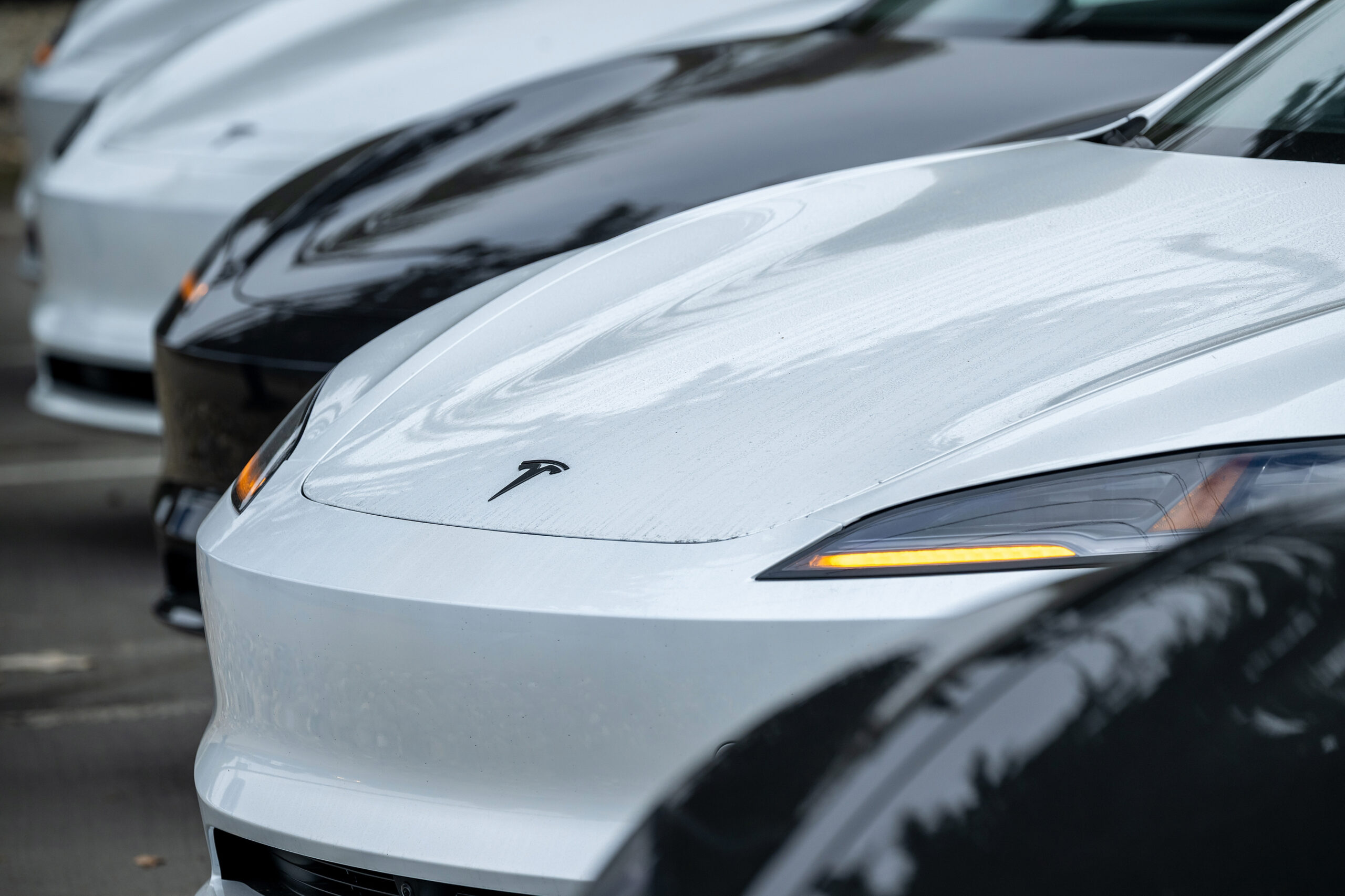
Tesla faces fresh litigation stemming from an alleged collision involving its driver-assistance software, intensifying scrutiny around autonomous vehicle safety protocols. The incident—a fatal crash resulting in a fatality—represents the type of liability event that compounds reputational headwinds for EV manufacturers already navigating regulatory uncertainty.
Product liability suits of this magnitude typically influence investor sentiment toward automotive and autonomous-systems stocks through two mechanisms: direct litigation cost exposure and indirect regulatory risk. Driver-assistance technology remains a contested domain where technological capability and legal accountability have not yet converged in market-consensus frameworks, creating pricing ambiguity.
While individual lawsuits rarely move broad market indices, accumulation of similar cases can trigger institutional risk reassessment. For TSLA, this compounds existing concerns around Full Self-Driving efficacy claims and insurance-related contingencies. The incident does not represent a systemic market disruption but signals ongoing friction between innovation velocity and liability frameworks.
Sector implication: Consumer Cyclical and Technology sectors show modest negative exposure. Autonomous vehicle liability remains a structural headwind for the entire sector, though this single incident carries limited systemic correlation with broader equity markets or macroeconomic conditions.