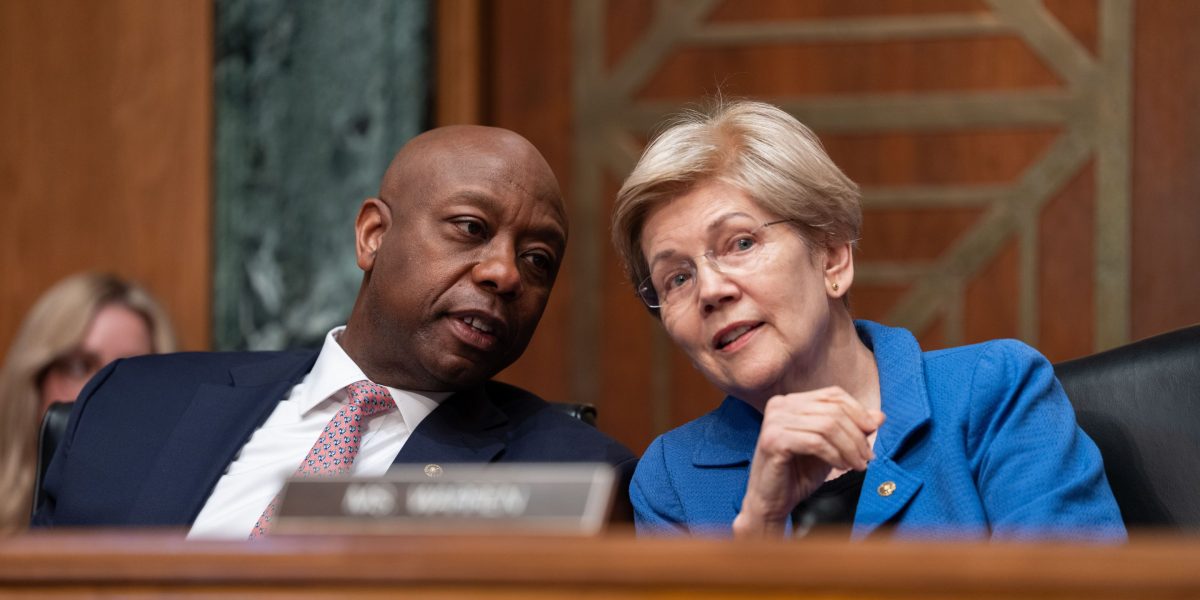
Congress is advancing a bipartisan housing bill designed to address affordability by constraining home prices and expanding access to ownership. However, the legislation includes provisions that would restrict or ban institutional investors from purchasing single-family rentals, a cornerstone of the rental supply for millions of Americans unable or unwilling to own homes.
The policy creates a structural tension between two competing goals: increasing homeownership rates while simultaneously reducing the supply of institutional rental housing. Residential REITs like AMH, UMH, and NHI would face material constraints on portfolio expansion and acquisitions, potentially depressing asset values and distributable cash flows if the bill becomes law without modification.
The unintended consequence merits market attention: aggressive investor caps could paradoxically tighten rental availability and elevate rents in markets where institutional operators currently provide significant inventory. Mom-and-pop landlords and smaller operators may not have capital or scale to fill the void, creating supply-side friction rather than relief.
Sector implication: Real Estate and mortgage finance sectors face headwinds from legislative uncertainty and the prospect of reduced institutional demand for residential assets. Markets are pricing in modest negative sentiment, though political consensus and amendment risk remain high; final bill language will determine actual portfolio impact on housing-focused equities and REITs.