Bare trust returns filed for 2023 at risk of Schedule-15 penalty
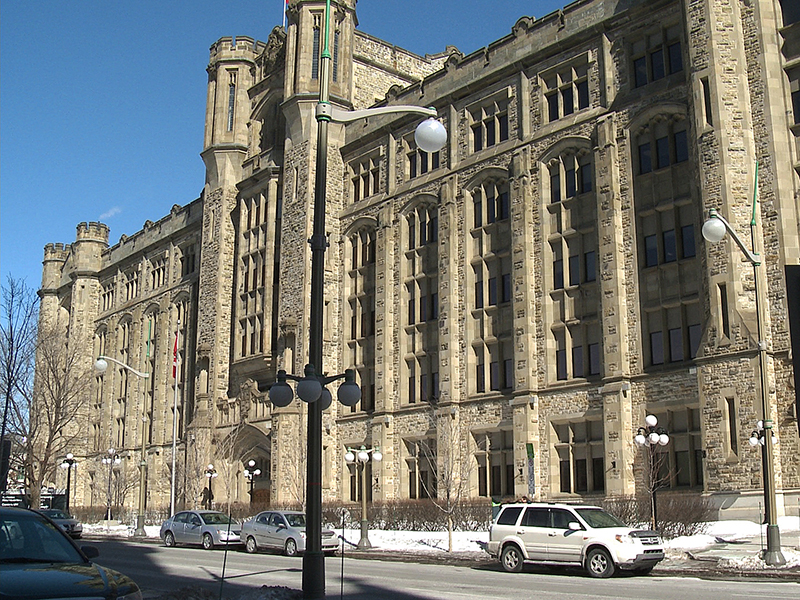
The Canada Revenue Agency has signaled enforcement risk for tens of thousands of taxpayers who filed bare trust returns in 2023 under a filing relief program. This announcement creates administrative friction in the Canadian tax compliance ecosystem, requiring tax practitioners to conduct retrospective reviews of Notices of Assessment (NoAs) ahead of 2026 filings.
The Schedule-15 penalty mechanism represents a compliance cost shock for affected filers, particularly those who relied on the CRA's 11th-hour reprieve without understanding future penalty exposure. This retroactive enforcement signal reduces clarity around tax filing requirements and increases contingent liabilities for individuals and their advisors.
While primarily a Canadian tax administration matter with limited direct U.S. equity market impact, the news illustrates regulatory tightening in trust accounting and reporting standards. Practitioners managing cross-border trust structures may face elevated compliance costs, indirectly affecting financial services firms offering tax advisory services to high-net-worth clients.
Sector implication: Financial Services faces modest headwind from increased compliance workload and potential client dissatisfaction, though the event is jurisdictionally contained and does not signal systemic market risk or broader policy shifts affecting equities.