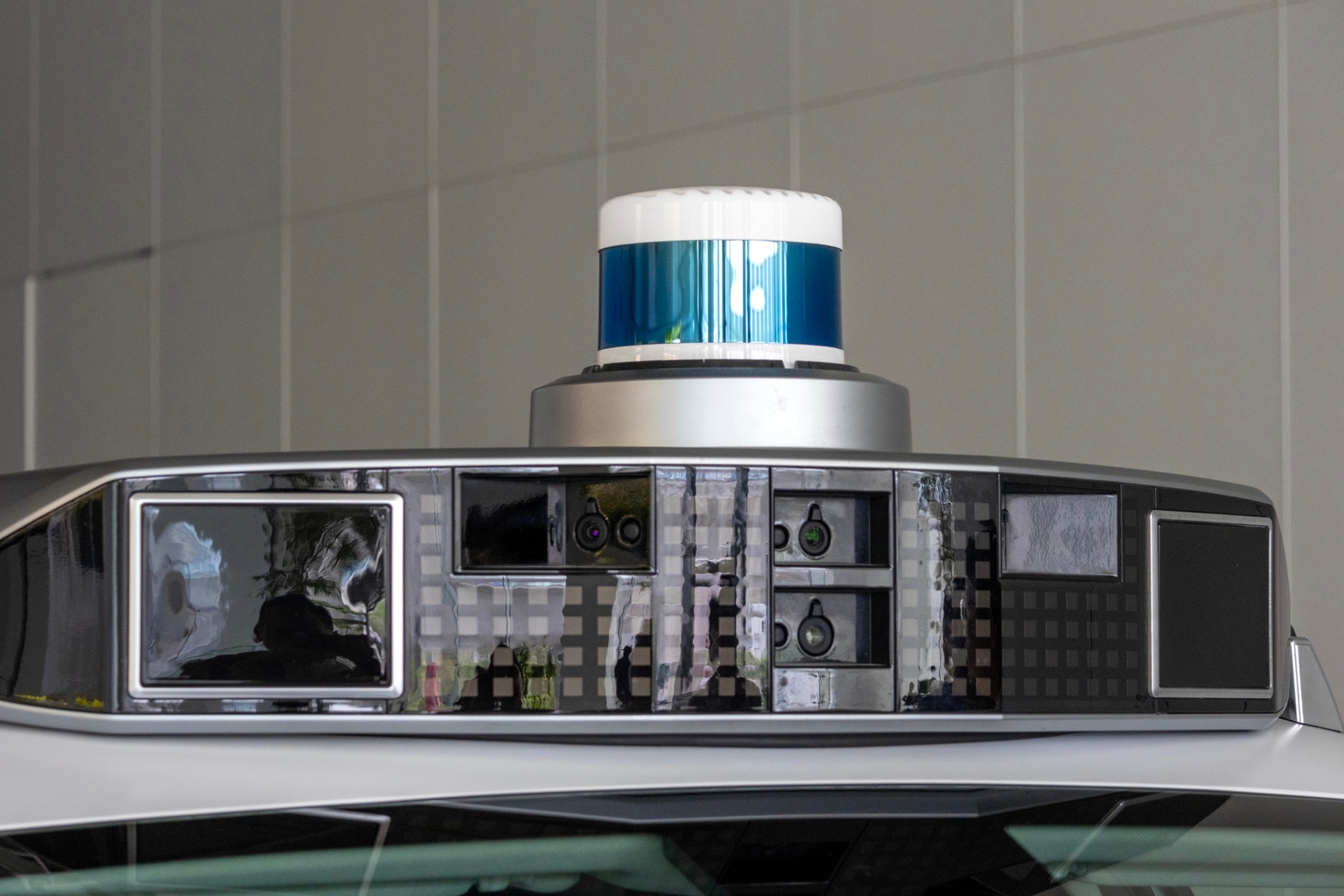
Ouster demonstrates operational competence with strong revenue growth and a debt-free balance sheet, positioning the company favorably within the competitive lidar sensor market. The firm's financial health contrasts positively with peers, suggesting management execution capability and disciplined capital allocation in a capital-intensive sector.
The analyst's Hold rating reflects a valuation disconnect: while fundamentals support near-term confidence, the stock price appears to already embed expectations extending into 2028, leaving limited upside for near-term investors. This forward-pricing dynamic is common in high-growth technology segments where market participants price in multi-year growth trajectories, reducing margin-of-safety.
Gross margin superiority relative to lidar competitors indicates either superior manufacturing efficiency, pricing power, or technological differentiation—each a positive operational signal. However, these advantages must sustain across a competitive landscape that includes well-capitalized automotive and robotics OEMs developing in-house solutions, creating structural headwinds.
Sector implication: The lidar and autonomous vehicle sensor ecosystem faces consolidation and vertical integration pressures. OUST's strength on margins and balance sheet positions it defensively, though the Hold thesis suggests limited catalysts justify accumulation at current multiples. Investors monitoring autonomous vehicle adoption timelines and lidar standardization should track execution, not valuation momentum.