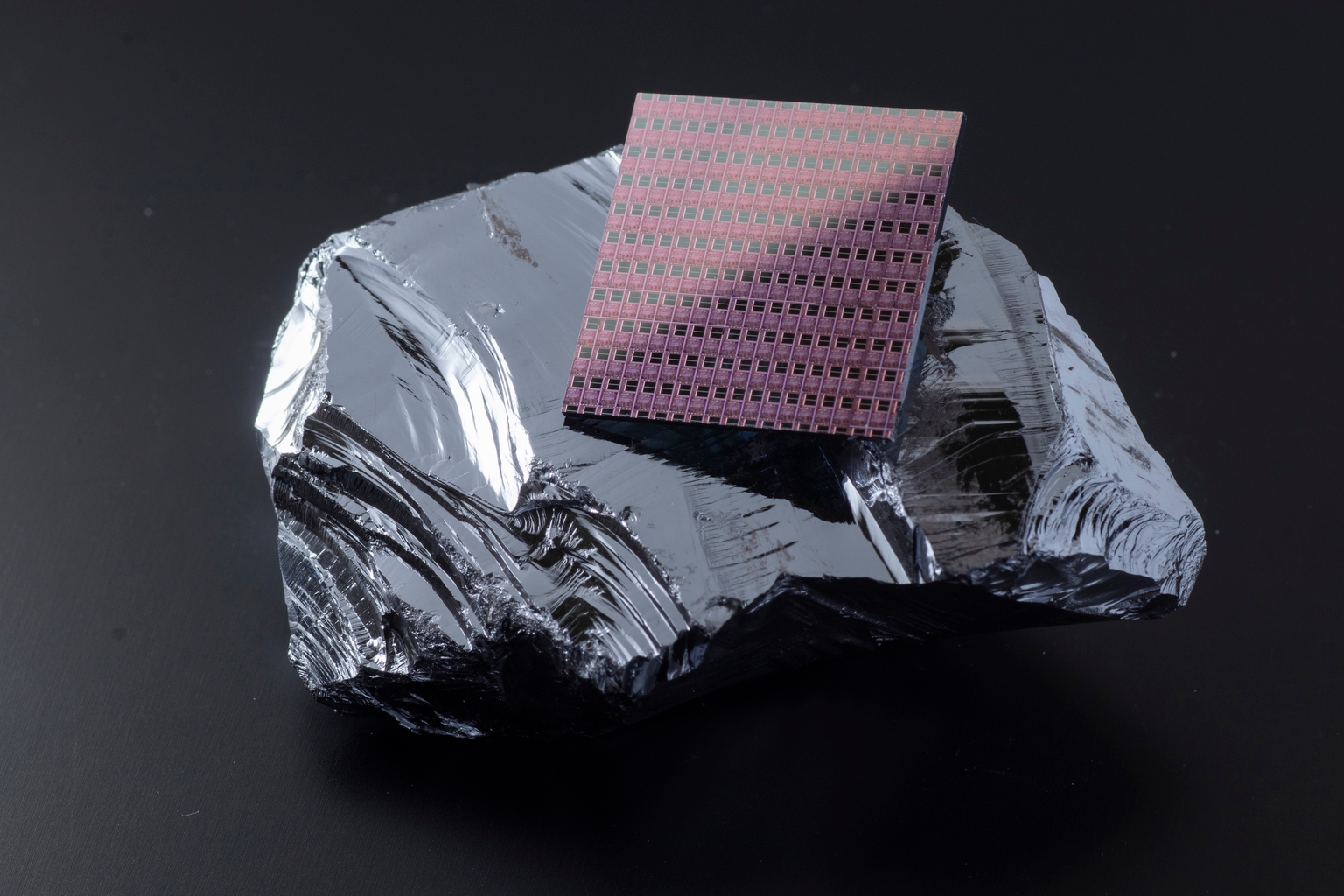
Nikon is pursuing a competitive repositioning strategy within semiconductor manufacturing equipment, specifically targeting ASML's installed base of ArF (immersion lithography) systems. This represents a classic market-share battle in a mature segment rather than breakthrough innovation, as ArF technology remains the workhorse for 7nm and legacy node production despite EUV's emergence.
The aggressive pricing approach signals margin compression risk for Nikon as it attempts to regain relevance in the lithography space. Nikon's historical strength in optical systems positions it with technical credibility, but pricing wars typically indicate commoditization pressures in the targeted segment. The strategy acknowledges that customers retain meaningful upgrade cycles for established equipment platforms.
ASML's dominant EUV leadership creates asymmetric competitive dynamics—ASML controls the premium tier while Nikon must compete on cost-efficiency in declining-margin segments. This positioning limits upside for Nikon while protecting ASML's core business. For the broader semiconductor equipment sector, this reflects ongoing consolidation around advanced nodes and legacy process maturation.
Sector implication: The turnaround narrative carries elevated execution risk typical of equipment sector repositioning efforts. Investor focus should remain on gross margin trends and customer win rates rather than headline competitive announcements. Semiconductor equipment concentration remains structural, favoring ASML and larger diversified players.