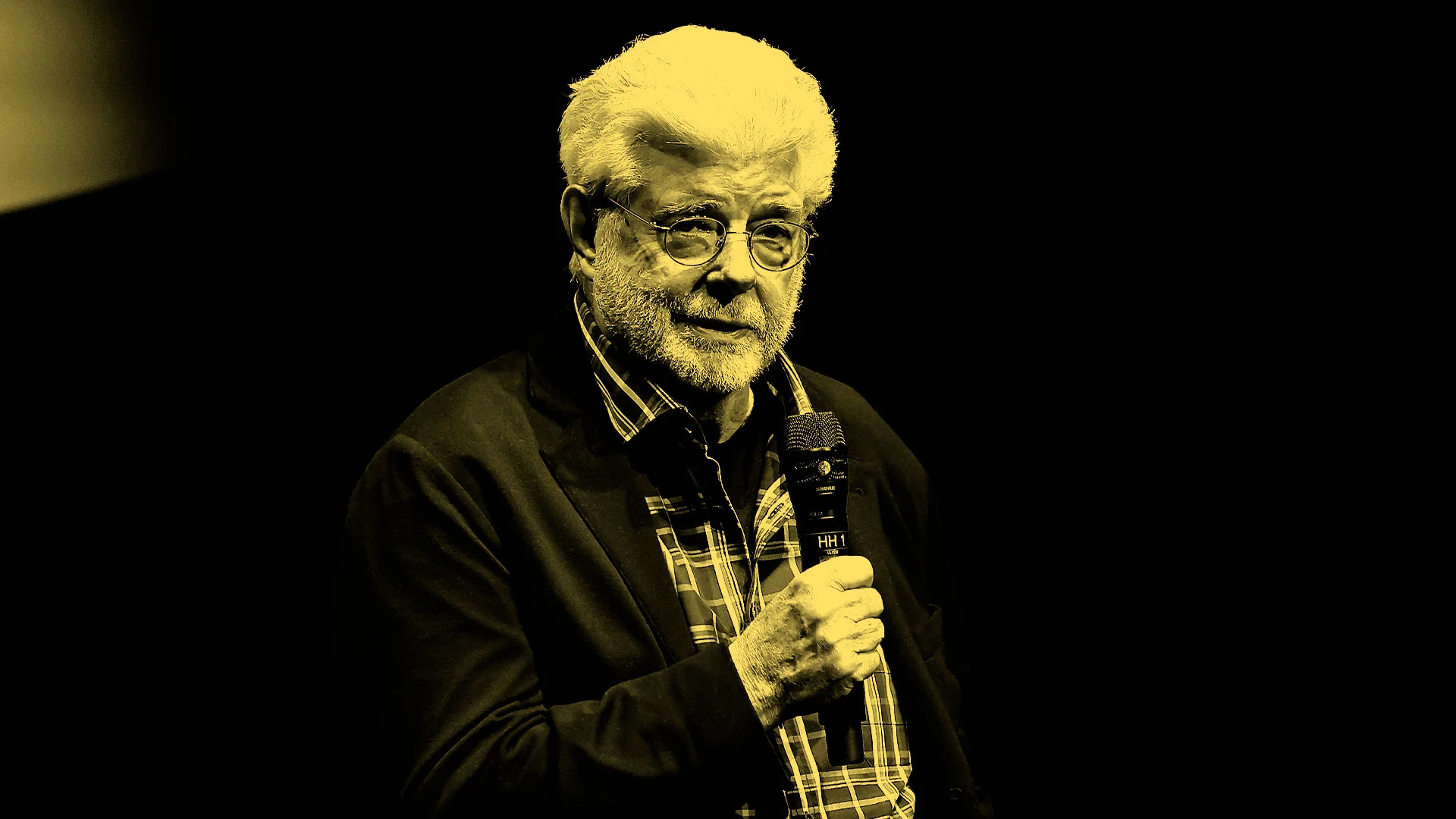
George Lucas, the filmmaker who fundamentally reshaped the entertainment landscape through the original Star Wars franchise, is re-entering feature film production more than a decade after his 2012 sale of Lucasfilm to Disney (DIS). This development represents a narrative shift in how legacy creators are engaging with media properties post-exit, though the financial materiality to Disney remains minimal given the company's diverse entertainment portfolio and Lucas's separation from the studio.
The return signals potential validation of the creative-independence model, where prominent filmmakers maintain autonomy outside major studio structures. Lucas's re-entry through an "unlikely franchise" rather than a continuation of his existing IP indicates a strategic pivot toward undisclosed intellectual property, possibly reflecting broader industry trends where established directors seek differentiation in an oversaturated franchise landscape. This approach contrasts sharply with Disney's recent strategy of leveraging established properties.
For DIS, this development carries negligible direct operational or revenue impact. The studio's film and streaming divisions remain dependent on internally developed and recently-acquired franchises rather than Lucas-led projects. Any future collaboration would be a licensing or distribution arrangement rather than a creative or financial control matter, creating optionality rather than obligation.
Sector implication: The Communication and Media sector benefits modestly from increased creator engagement, which signals continued demand for marquee filmmaking talent and potentially supports premium content valuations. However, Lucas's independent positioning reflects industry-wide structural shifts where legacy talent increasingly pursues autonomy rather than studio consolidation.