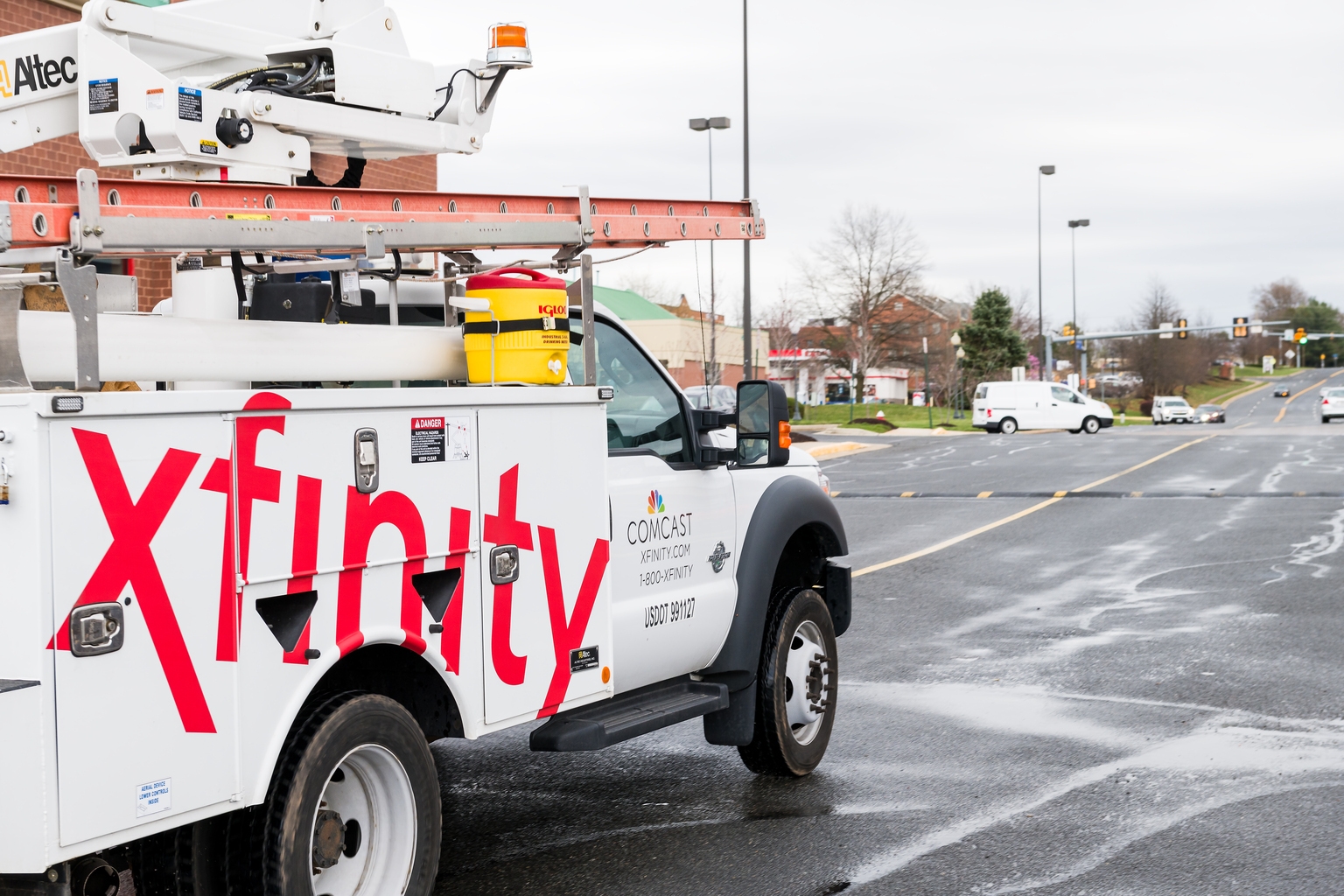
Comcast (CMCSA) presents a valuation paradox: trading at a compressed 4.4x earnings multiple suggests deep value positioning, yet this discount reflects structural headwinds rather than temporary market mispricing. The stock's "coiled spring" characterization implies potential upside, but only if fundamental catalysts materialize—a key distinction for value investors evaluating true recovery versus value traps.
The primary risk vector centers on broadband competition and persistent revenue erosion. Intensifying competitive pressure from fiber-optic providers, wireless alternatives, and emerging last-mile technologies constrains pricing power and customer retention in Comcast's core connectivity business. Revenue pressures compound margin challenges, particularly in legacy cable segments where cord-cutting continues to accelerate.
The Buy rating at $22 hinges on mean-reversion assumptions—that CMCSA's depressed multiple will normalize as management stabilizes operations or divests underperforming assets. However, this thesis requires conviction that competitive dynamics will stabilize and that traditional cable infrastructure retains sufficient strategic value. The risk/reward asymmetry depends heavily on management execution and capital allocation discipline.
Sector implication: Communication services remain under secular pressure as consumer preferences shift toward streaming, wireless, and fiber alternatives. CMCSA's struggles reflect broader industry dislocation rather than isolated company-specific weakness, suggesting limited sector-wide tailwinds for legacy cable operators.