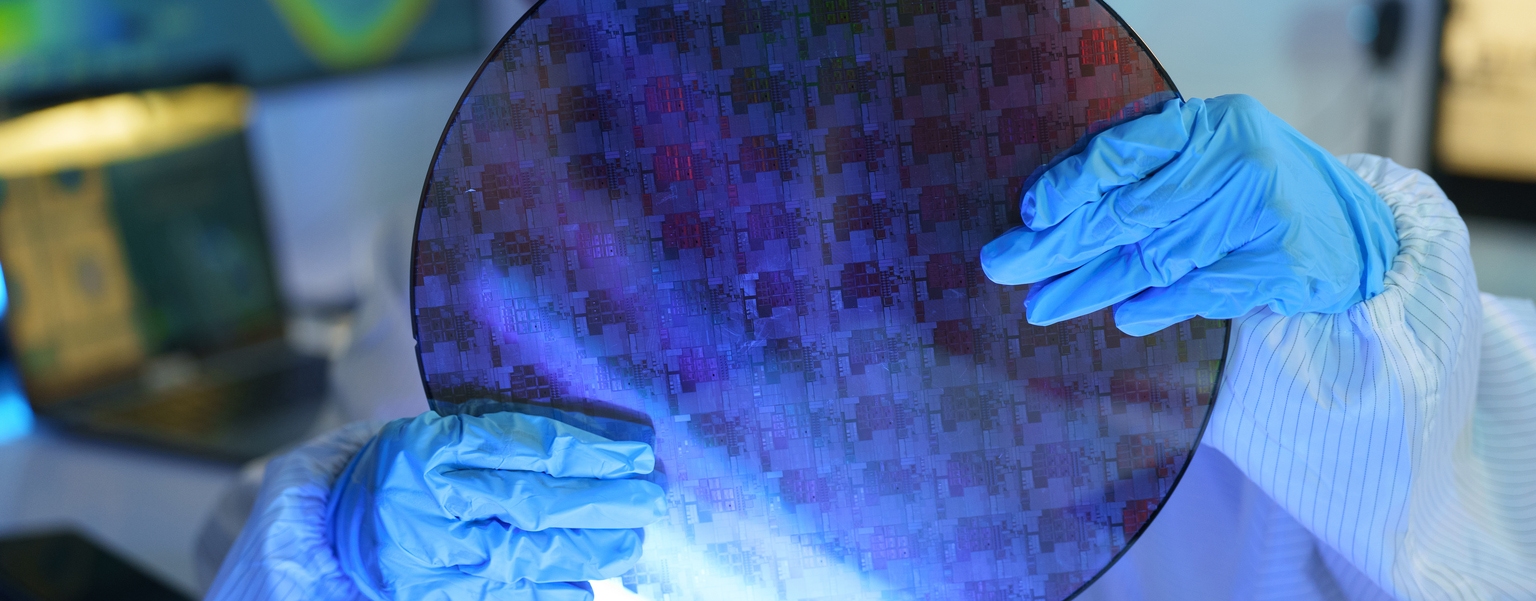
AXTI has benefited substantially from secular tailwinds in data center semiconductor demand, particularly for indium phosphide (InP) wafers used in optical and RF applications. The company's projected 62% revenue growth reflects legitimate end-market expansion driven by AI infrastructure deployment and hyperscaler capital intensity.
However, the market appears to be pricing in structural advantages—competitive moats and pricing power—that do not materially exist. AXTI's valuation multiples suggest monopolistic characteristics despite operating in a fragmented, competitive wafer fabrication landscape where multiple suppliers vie for design wins and volume commitments.
The gap between current valuation and normalized peer multiples raises questions about sustainability. Growth is real, but consensus expectations may be extrapolating cyclical demand tailwinds as permanent competitive advantages. Execution risk on capacity expansion and customer diversification remains material headwinds.
Sector implication: Semiconductor and materials subsectors often experience valuation resets when growth expectations normalize. Single-product or single-market dependency within semiconductor supply chains creates vulnerability to customer consolidation and competitive pressure, offsetting near-term demand visibility.