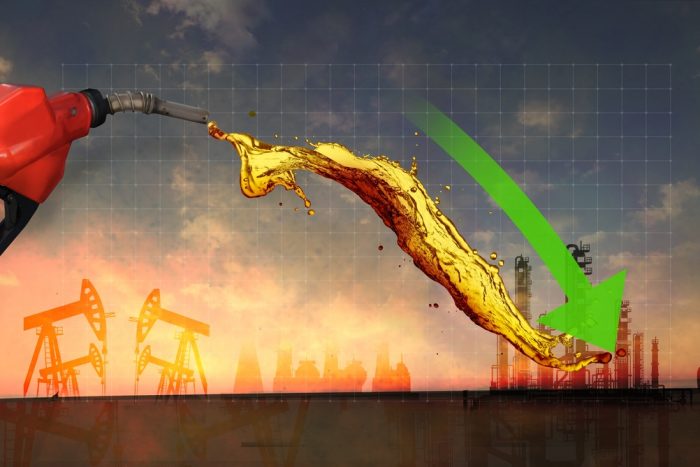
Lower oil prices resulting from improved Hormuz strait accessibility typically reduce input costs for emerging-market manufacturers and transporters, creating a tailwind for GSEE and comparable emerging-market equity vehicles. The relief in energy costs ripples through supply chains in developing economies where oil-intensive production remains a significant expense factor.
This dynamic reflects a shift in relative valuation: as crude declines, emerging markets become more attractive on a growth-per-dollar basis, especially versus developed markets where energy deflation has diminishing alpha. GSEE exposure to Asian and Latin American equities stands to benefit from improved macroeconomic conditions and margin expansion in non-energy sectors.
However, the magnitude of impact depends on deal durability at Hormuz and whether the price decline sustains. Geopolitical reversals could quickly revert this positioning. Additionally, many emerging-market ETFs carry currency and liquidity risks that offsetting energy gains may not fully neutralize.
Sector implication: Energy sector headwinds (negative for oil-linked emerging markets) are outweighed by cyclical gains in Industrials and Consumer-facing EM companies. This is a relative rotation story rather than a broad-based rally signal.