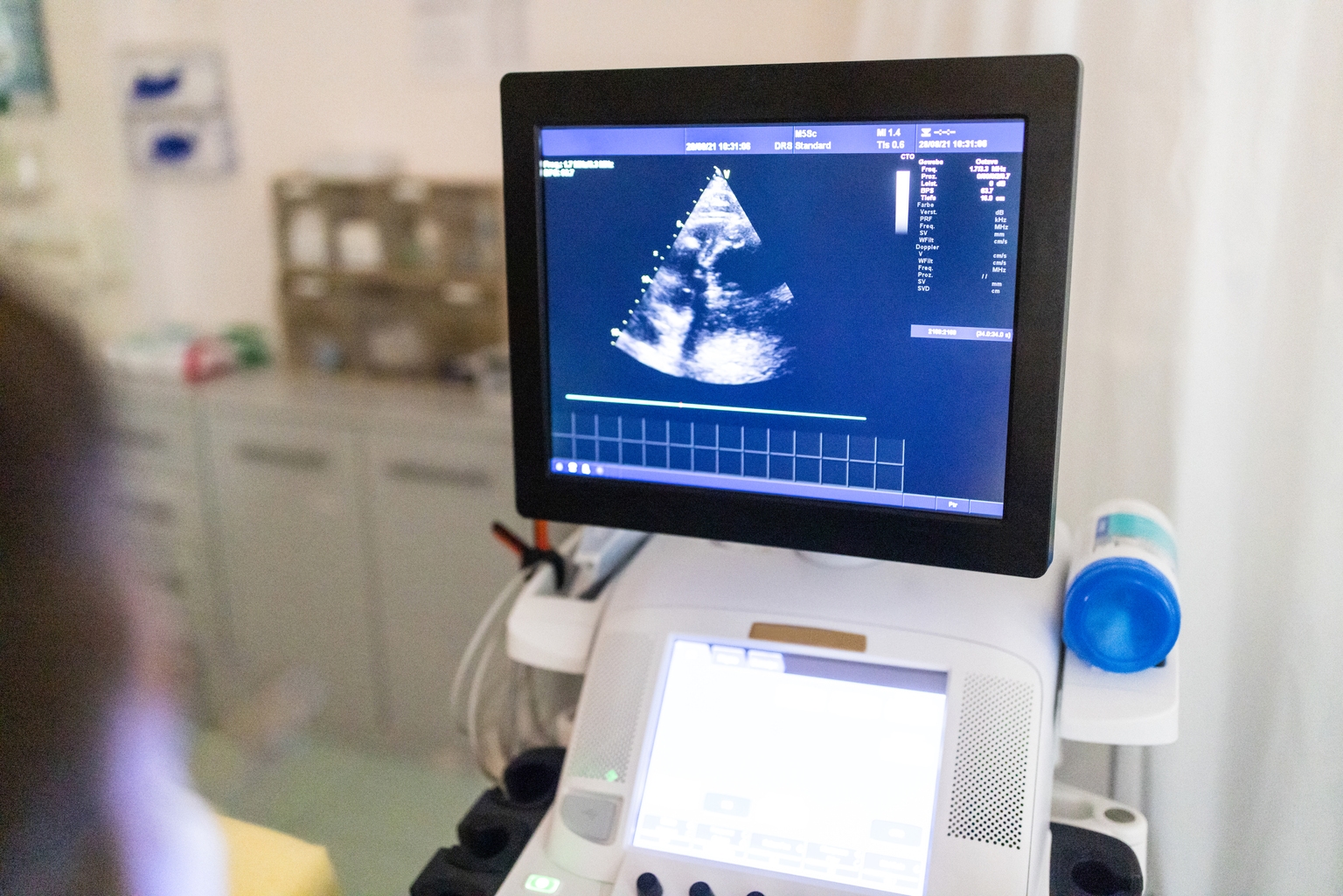
Butterfly Network (BFLY) is undergoing a strategic pivot from traditional ultrasound device manufacturing toward a semiconductor-driven platform architecture, signaling a fundamental shift in its competitive positioning within medical technology. This transition reflects broader industry trends toward digitization and chip-based diagnostic solutions, moving beyond legacy hardware dependency.
The shift carries implications for manufacturing margins and capital intensity. Semiconductor-centric platforms typically require lower variable manufacturing costs and offer greater scalability compared to traditional medical device production, potentially improving long-term unit economics. However, the company faces elevated execution risk during the transition period and potential near-term revenue volatility as legacy product lines stabilize.
Competitive positioning hinges on proprietary chip design, regulatory clearance timelines, and go-to-market execution. Success would create defensibility through intellectual property and potentially higher-margin recurring software/platform revenue. The healthcare sector increasingly rewards companies demonstrating technological differentiation and recurring business models over commodity device sales.
Sector implication: This transition exemplifies the broader healthcare technology convergence, where medical device companies integrate semiconductor capabilities to compete with both traditional peers and emerging digital health entrants. The outcome will test whether BFLY can successfully execute a platform transformation while maintaining investor confidence through the transition phase.