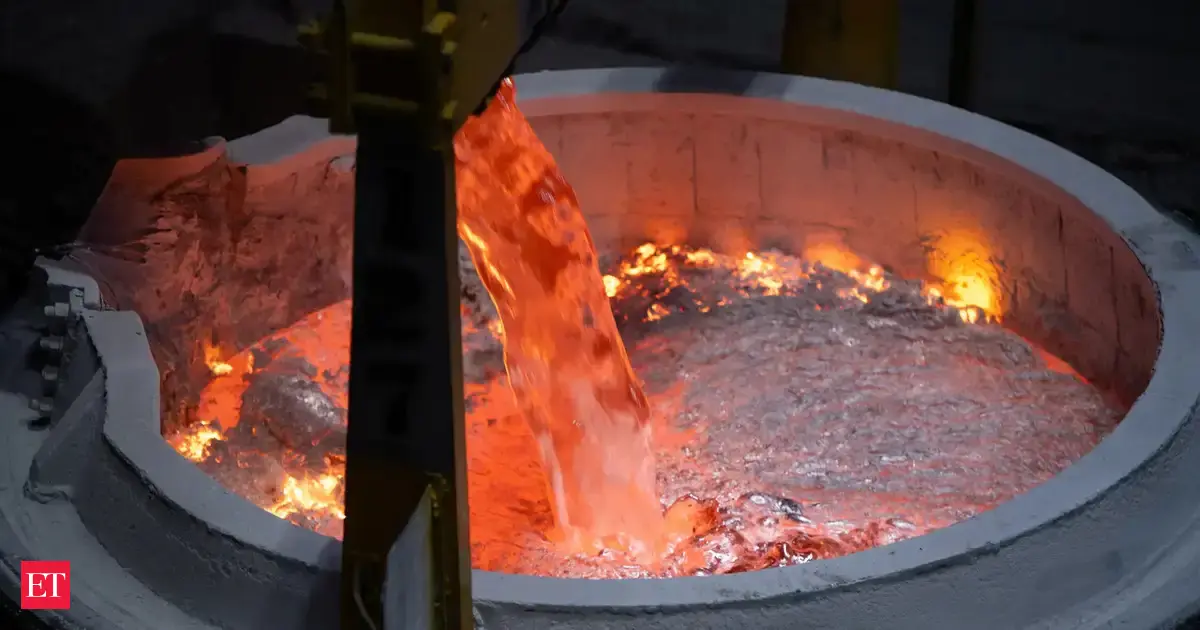
The Iranian geopolitical crisis posed a significant near-term threat to aluminum supply chains, with market participants bracing for potential smelter disruptions and a test of the psychological $4,000/tonne price level. However, the threat materialized without the anticipated systemic shock, demonstrating resilience in the commodities complex and flexibility within global supply networks.
Critical to the market's stability was a rapid supply response from key producers including China, Indonesia, and Middle Eastern refineries. This coordinated production ramp represents a shift away from 2010s-era supply constraints and reflects both excess capacity and strategic inventory management. The aluminum market's avoidance of a crisis narrative suggests that geopolitical event risk is being priced more efficiently than in prior cycles.
The muted price impact despite headline volatility indicates institutional hedging and financial positioning may have limited the initial shock propagation. Financial intermediaries and asset managers likely managed exposure preemptively, preventing panic selling in downstream consumer-linked sectors tied to industrial demand.
Sector implication: Basic materials and industrials benefit from supply certainty, while energy volatility remains a second-order concern. The broad market correlation remains modest, suggesting this event is viewed as commodity-specific rather than systemic to macroeconomic conditions.