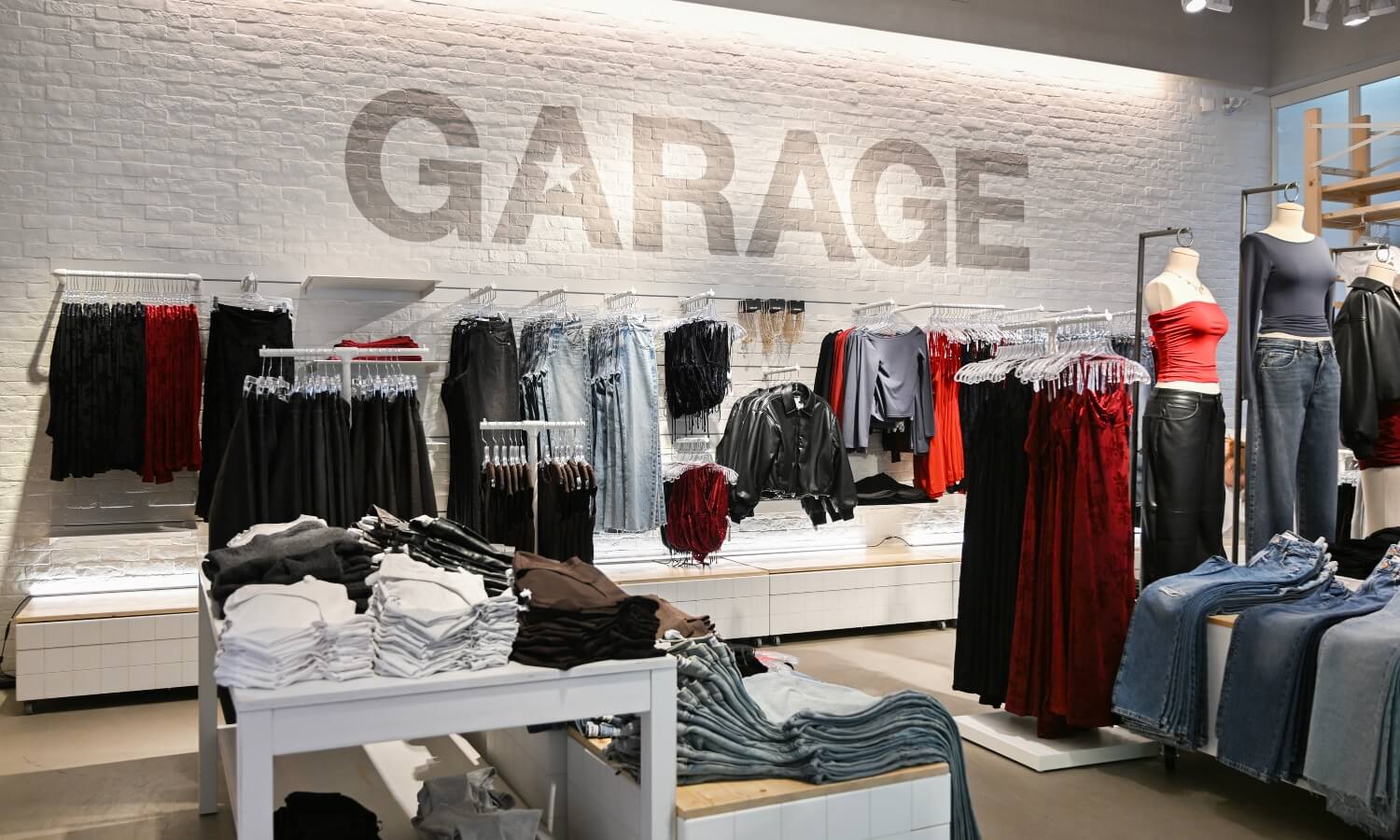
A mixed earnings cycle in Canadian retail revealed a stark disconnect between operational improvement and investor appetite, underscoring persistent skepticism around growth durability in the sector. Reitmans and Empire delivered positive operational signals—narrowed losses and dividend expansion respectively—yet the market's focus gravitationally shifted toward GIL and Groupe Dynamite, where growth headwinds triggered sharp sell-offs regardless of underlying earnings performance.
This bifurcated reaction signals that traditional profitability metrics and capital return announcements carry diminished weight against forward-looking concerns about demand elasticity and margin sustainability. Investors appear to be repricing retail equities on structural rather than cyclical grounds, suggesting elevated sensitivity to consumer spending trends and inventory normalization across discretionary categories.
The selloff in growth-sensitive names despite peer strength indicates that sector rotation remains fragile and earnings beats alone cannot overcome macro uncertainty. Market participants are differentiating between companies on execution risk and category exposure, with apparel and consumer discretionary segments facing particular headwinds as recessionary concerns persist.
Sector implication: Consumer Cyclical equities face continued rotation pressure as earnings quality diverges from forward guidance. The divergence between RMS/EMP resilience and GIL weakness suggests investors are rotating toward defensive consumer plays, potentially pressuring broader retail indices despite isolated positive catalysts.