Jeff Bezos predicts AI will create a labor shortage, not replace human workers across the economy
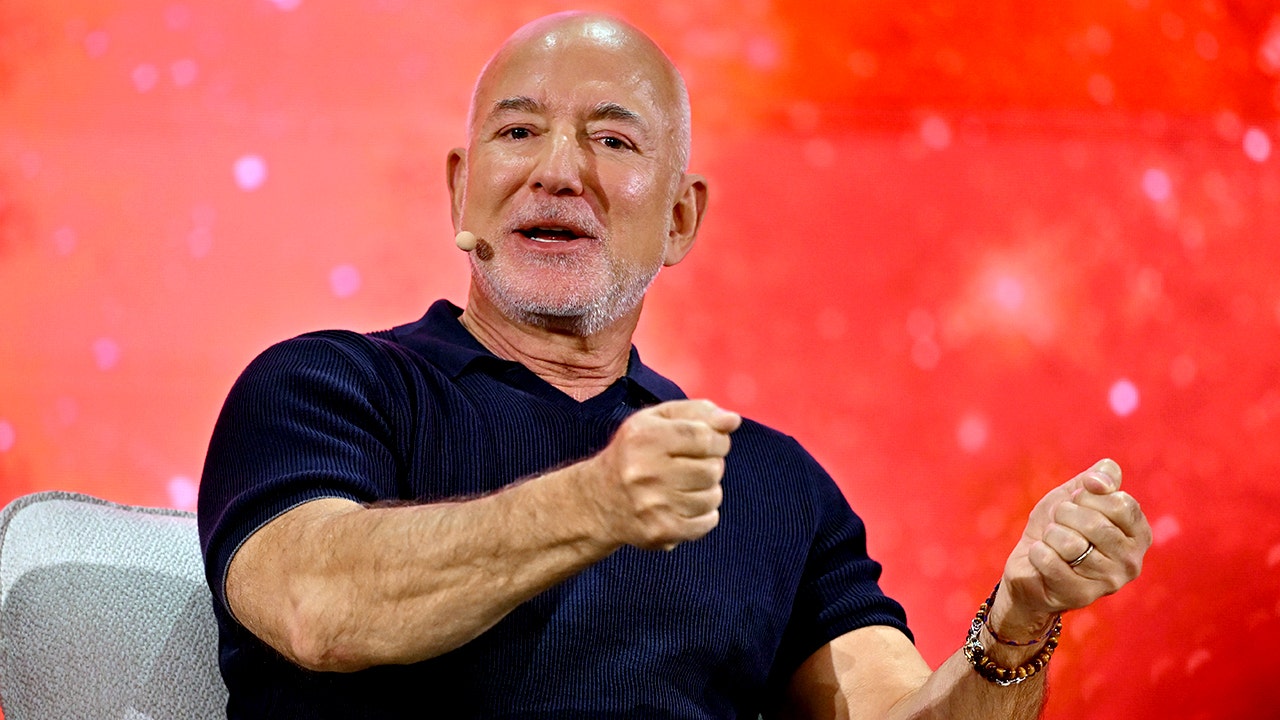
Jeff Bezos articulated a bullish narrative on artificial intelligence deployment, countering widespread anxieties about technological displacement of labor. His assertion that AI will generate labor shortages rather than mass unemployment represents a pro-growth thesis that contradicts prevailing structural unemployment narratives common in policy debates.
The statement carries implicit positive sentiment for capital-intensive sectors that rely on automation to manage wage inflation and productivity constraints. Companies like AMZN, with significant infrastructure and logistics operations, could benefit from AI-driven efficiency gains while facing reduced pressure to cut headcount. This framing legitimizes aggressive AI investment cycles among institutional investors concerned about labor market disruption.
However, the commentary lacks specificity regarding timeline, sectoral differentiation, or transition mechanisms—critical variables for quantifying actual labor market impact. Technology-forward enterprises in cloud computing, logistics, and manufacturing stand to gain rhetorical support for capital allocation, though market consensus already prices in productivity benefits from generative AI adoption.
Sector implication: The narrative supports continued technology and industrial sector outperformance by reducing regulatory and reputational risk around AI deployment. Labor shortage messaging may also benefit high-capex infrastructure plays dependent on automation efficiency rather than workforce expansion.