Full text of the U.S.-Iran peace deal— allies are appalled at the gains it hands to Iran
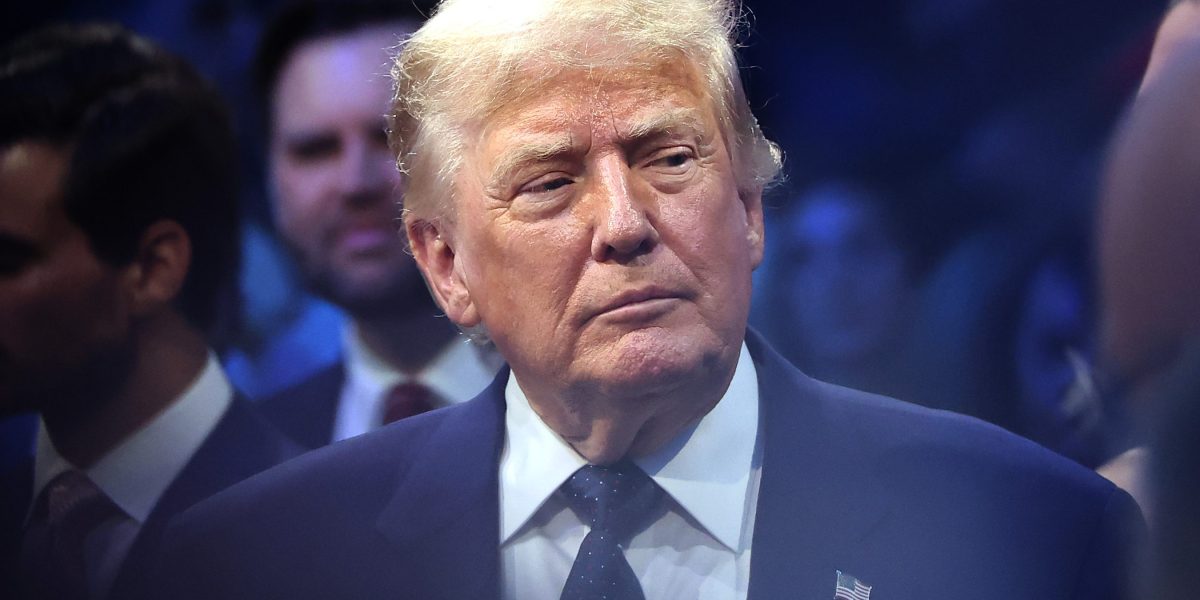
A U.S.-Iran peace deal announcement represents a significant geopolitical shift with material market implications. The agreement is characterized by allied concern regarding concessions granted to Iran, signaling potential sanctions relief and normalized trade relationships that could restructure regional power dynamics and energy market positioning.
The deal creates bearish pressure on Energy and Defense sectors. Normalized Iran trade access threatens U.S. oil price floors and may increase crude supply, pressuring integrated oil majors and upstream producers. Simultaneously, de-escalation reduces demand for military hardware, dampening near-term outlooks for RTX and LMT as Middle East tensions recede as a demand driver.
Allied apprehension—noted by regional partners and NATO participants—suggests geopolitical instability in trust relationships. This may inflate hedging costs for multinational corporations and increase capital allocation toward political risk premiums. Financial institutions with significant Middle East exposure face repricing of country risk.
Sector implication: Energy trades inversely to deal implementation speed; defense-industrial complexity increases if conflicts reconfigure around proxy dynamics rather than direct engagement. Broad market correlation is negative as investors reassess inflation (lower oil) against geopolitical premium compression and allied uncertainty.