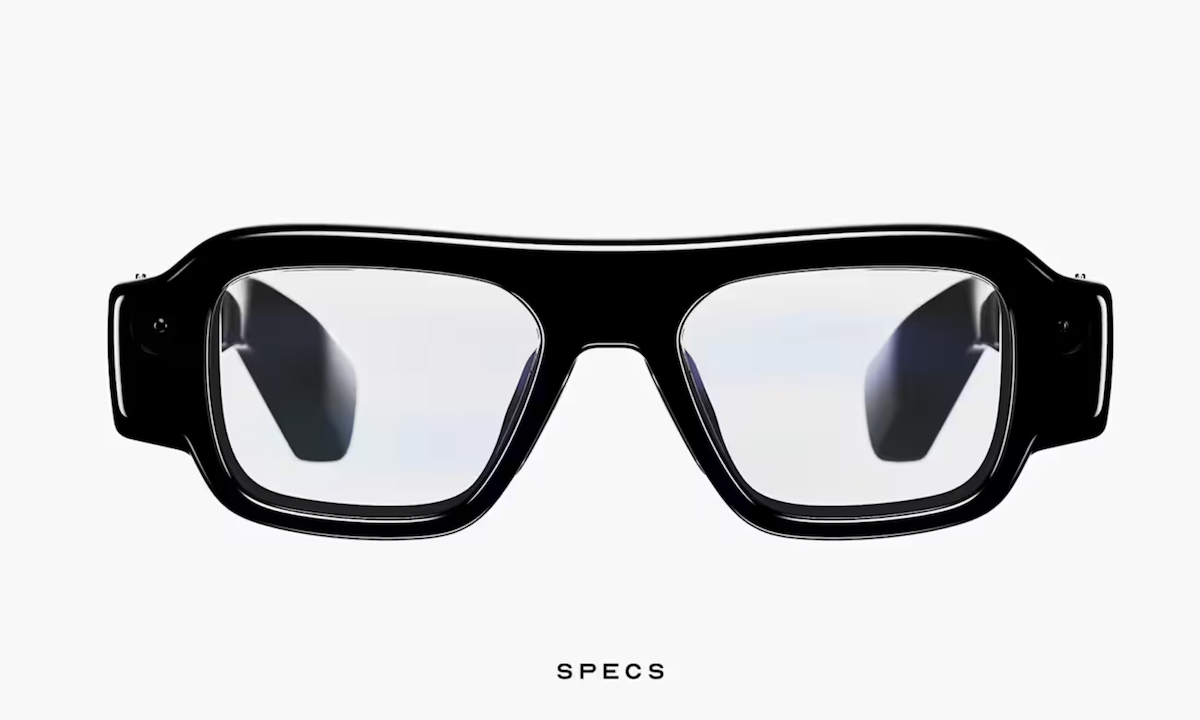
Snap's SPECS launch signals renewed commitment to augmented reality hardware, entering a crowded ecosystem where Google and other incumbents have historically struggled to establish consumer adoption. The wearable AR market remains nascent, with previous entrants (Glass, etc.) failing to achieve mainstream penetration despite substantial capital investment.
The competitive landscape presents both opportunity and risk for Snap. While the company leverages its core strength in camera-first social engagement, it must overcome the hardware profitability challenge that has plagued tech giants attempting consumer wearables. Success depends on differentiation beyond novelty and achieving sustainable unit economics.
Google's ecosystem investments—from Android to AI infrastructure—provide material advantage over smaller competitors, yet the company has not cracked sustained AR hardware demand. Snap's positioning as a software-native platform with existing AR filters creates optionality, but execution risk remains elevated given capital requirements and consumer adoption barriers.
Sector implication: This represents incremental strategic positioning rather than a fundamental market shift. AR hardware investment remains a speculative long-term bet within Technology; near-term financials unlikely to reflect material revenue contribution. Broader implications for smartphone replacement narratives remain uncertain, warranting cautious monitoring of unit sales and retention metrics.