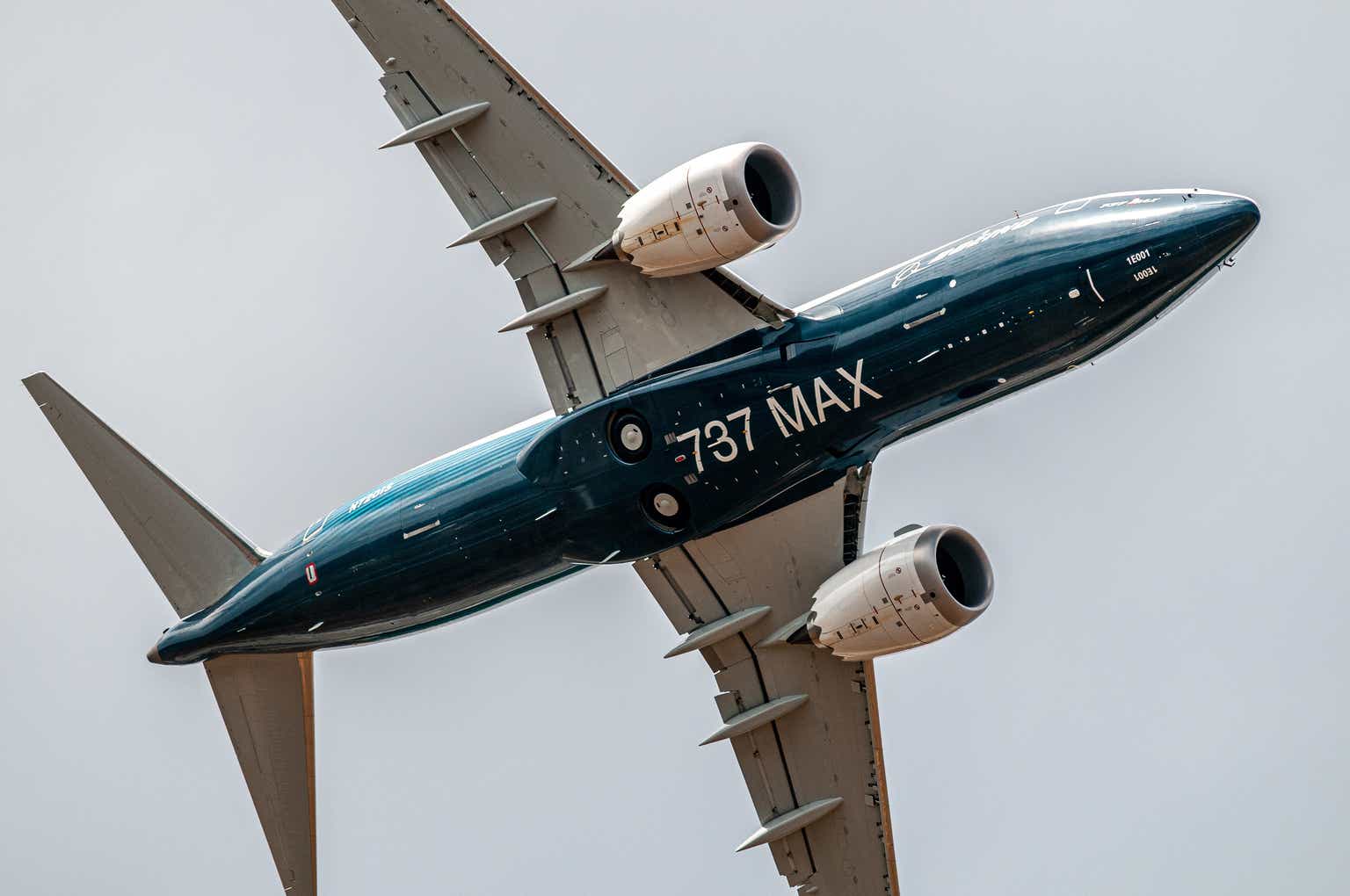
Boeing's 737 MAX production trajectory shows measurable acceleration, with monthly output ramping from 42 to 47 units. This 12% sequential increase signals resolution of supply-chain constraints and regulatory certification pathways that plagued the program post-grounding. The production lift directly translates to improved cash flow generation and margin expansion in BA's core narrow-body franchise, which represents the majority of commercial aviation orders globally.
The bullish production narrative, however, masks latent exposure to wide-body aircraft risks. Boeing's 787 Dreamliner program continues facing quality control scrutiny and delivery delays, while long-haul aircraft demand remains uncertain amid macro headwinds. This bifurcated recovery—strong narrow-body offset by wide-body weakness—creates uneven earnings visibility and constrains multiple expansion despite near-term cash generation tailwinds.
The 737 MAX recovery represents cyclical momentum in commercial aviation rather than structural market share gains. Airlines are filling capacity on high-utilization routes, but unit economics and load factors remain pressured. BA's financial improvement is real but conditional on sustained delivery cadence and absence of new production anomalies.
Sector implication: Aerospace & defense faces divergent signals—narrow-body demand reflects economic resilience in travel, while wide-body delays suggest discretionary capex caution. Suppliers tied to 737 production will benefit more than integrators facing margin compression on delayed wide-body programs.