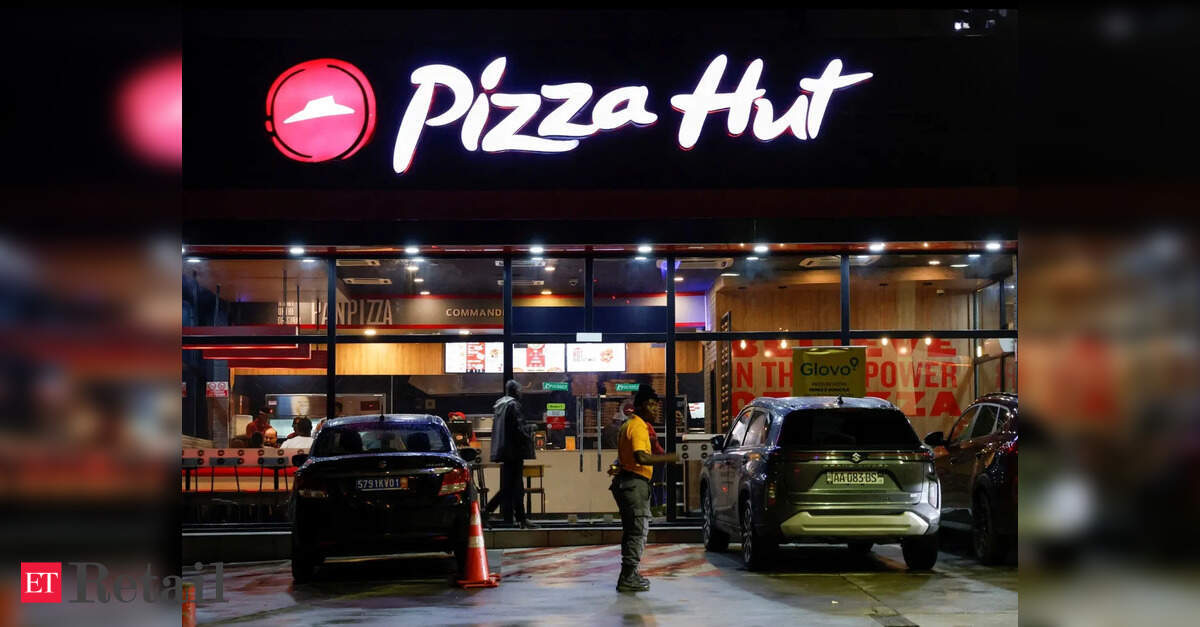
Yum Brands' divestiture of Pizza Hut for $2.7 billion signals management's acknowledgment of sustained underperformance within its portfolio. The transaction—placing the chain under LongRange Capital and Yum China Holdings—reflects a strategic repositioning away from lower-margin, challenged assets toward higher-growth franchises, notably KFC and Taco Bell.
The sale price and buyer composition suggest Pizza Hut faces structural headwinds in North American markets: declining foot traffic, menu commoditization, and intensifying competition from both QSR consolidators and emerging delivery-native concepts. The involvement of a China-focused vehicle indicates geographic bifurcation, with international recovery potential offset by domestic market contraction.
For YUM shareholders, this action reduces drag on consolidated margins and reallocates capital toward higher-return brands. However, it also confirms management's pessimism on near-term recovery prospects for the pizza category, limiting upside optionality if casual dining rebounds.
Sector implication: The Consumer Cyclical sector faces persistent pressures from labor inflation, commodities, and consumer traffic volatility. Asset-light franchisors benefit from portfolio pruning, though divestitures at depressed valuations can dampen aggregate shareholder returns in the near term.