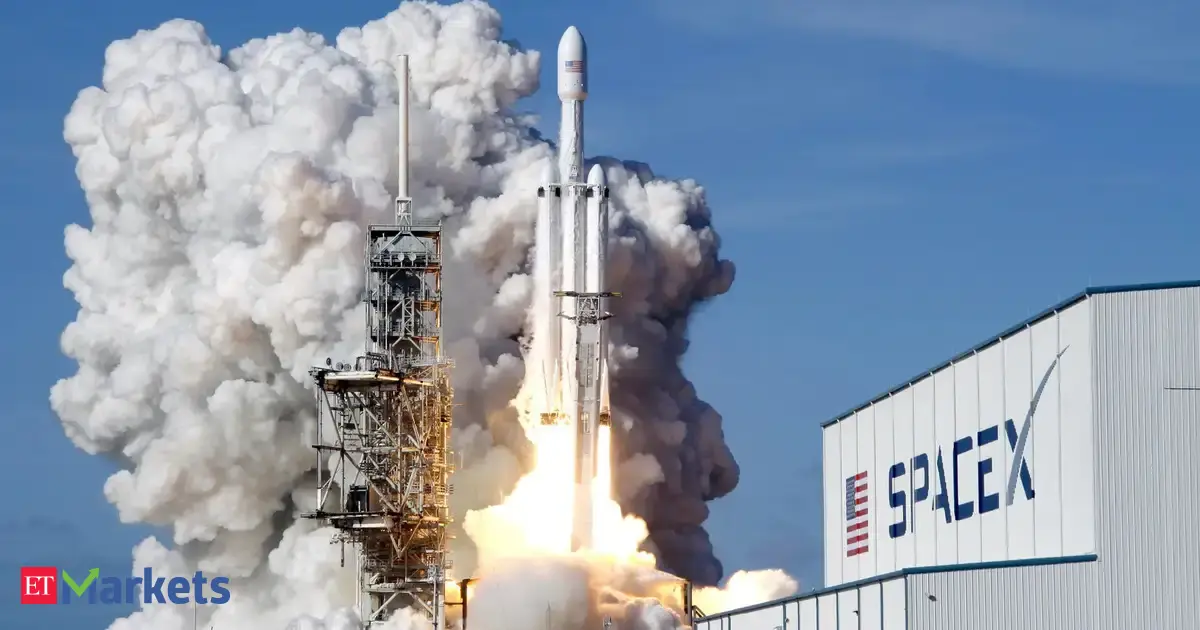
The article raises governance and conflict-of-interest concerns stemming from Elon Musk's dual leadership positions at Tesla and SpaceX. The central thesis examines whether structural incentives could theoretically influence Tesla's valuation or strategic positioning, particularly if SpaceX were to contemplate acquisition activity. This represents a corporate structure risk rather than a fundamental operational or market-moving catalyst.
The mention of Nvidia appears tangential—positioned as a competitive or market-share comparison rather than a direct nexus to the SpaceX-Tesla dynamic. The headline's framing ("Watch out, Nvidia?") lacks substantive linkage to the summarized content, suggesting speculative or clickbait structuring common in market commentary pieces.
From a market perspective, conflict-of-interest narratives around Musk are recurring themes that rarely generate sustained volatility absent regulatory action or shareholder litigation. Tesla's valuation remains driven primarily by execution metrics, EV demand, and capital allocation decisions—not hypothetical M&A scenarios. SpaceX remains private, limiting direct capital markets exposure.
Sector implication: This story carries low institutional relevance. The Technology and Industrials sectors see minimal directional impact. Investors should distinguish between governance friction (a known Musk characteristic already priced into Tesla multiples) and material business risk. Absence of concrete regulatory or shareholder action keeps this in commentary rather than catalyst territory.