Maryland Container Store location, slated to be converted to co-branded Bed Bath & Beyond store, to close
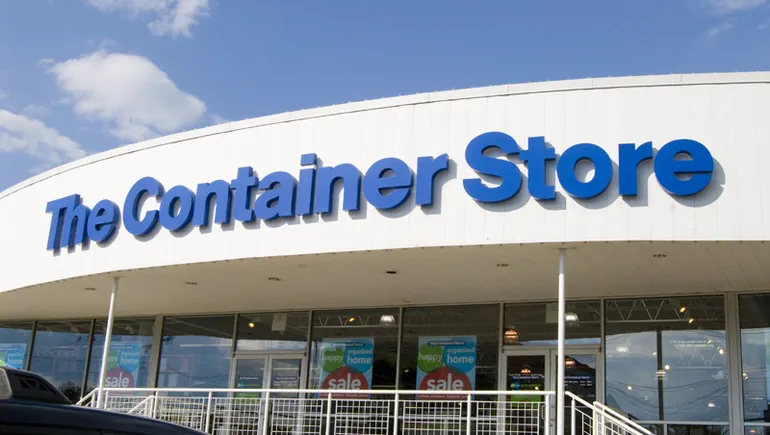
Bed Bath & Beyond's planned conversion strategy for Container Store locations continues to encounter operational friction, with the Gaithersburg location joining a widening cohort of closed conversion sites. The closure represents a tangible setback to a retail consolidation initiative that was intended to expand BBBY's footprint through asset acquisition rather than organic growth.
This localized store closure signals execution challenges in integrating acquired retail real estate into operating co-branded concepts. BBBY's ability to successfully convert approximately 100 locations hinges on real estate viability, lease negotiations, and consumer demand for co-branded formats—variables that appear increasingly misaligned in certain markets. Each failed conversion erodes the strategic rationale for the broader acquisition.
The Consumer Cyclical retail sector faces persistent headwinds around store productivity and capital redeployment efficiency. Bed Bath & Beyond's operational complexity suggests management is contending with structural challenges beyond macro softness, including inventory management and real estate optimization in a normalized post-pandemic consumer environment.
Sector implication: Retail consolidation plays dependent on smooth execution face elevated execution risk. The Container Store integration underperformance may serve as a cautionary signal for other retailers pursuing similar M&A-based expansion strategies in discretionary home goods categories.