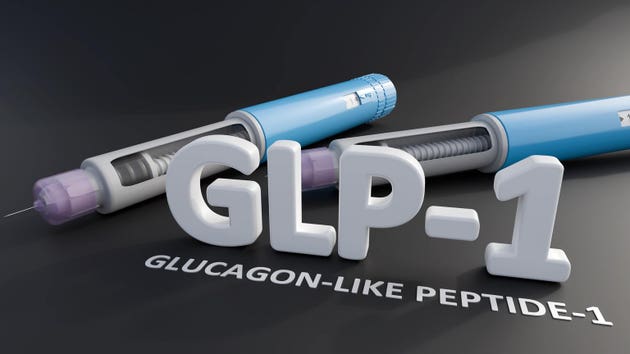
Johnson & Johnson has signaled a deliberate strategic pivot away from the high-growth GLP-1 drug category, where competitors like Novo Nordisk and Eli Lilly are capturing significant market share. This decision reflects management's confidence in alternative therapeutic areas and suggests a divergence from near-term obesity market tailwinds that have benefited rivals.
The oncology-focused strategy underscores JNJ's core competency in cancer therapeutics, where patent moats and pricing power remain robust. By doubling down on established strength rather than competing in an increasingly commoditized obesity space, the company avoids margin compression and competition with lower-cost generics over a 5-10 year horizon. This disciplined capital allocation may preserve long-term profitability.
However, the decision implies JNJ is ceding near-term revenue upside in one of healthcare's fastest-growing markets. Investors pricing in GLP-1 exposure through the pharma sector may reassess diversified healthcare plays versus pure-play obesity specialists. The announcement suggests management believes oncology pipelines offer superior risk-adjusted returns, though execution risk remains in clinical development.
Sector implication: Health Care sector positioning shifts modestly toward pure-play cancer and specialty therapeutics; large-cap diversified pharma faces reduced momentum from the obesity tailwind, potentially favoring companies with stronger GLP-1 portfolios or oncology depth in alternative subsectors.