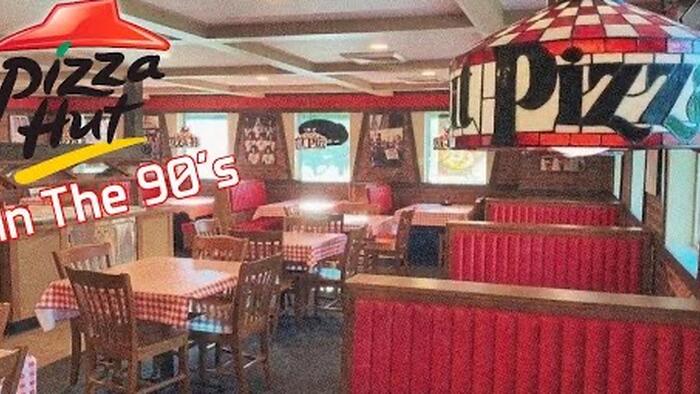
Yum! Brands (YUM) has divested its Pizza Hut division to private equity ownership, marking a strategic portfolio restructuring rather than a distressed liquidation. This separation allows the parent company to focus capital allocation on higher-return brands like KFC and Taco Bell, while transferring operational and financial risk to specialized turnaround capital.
The transaction underscores a broader trend of large restaurant conglomerates optimizing franchise portfolios. Pizza Hut has faced structural challenges including brand perception headwinds and competitive saturation in mature markets. Private equity's involvement signals belief in operational improvement potential, though execution risk remains material for the new owner managing legacy franchise relationships and real estate complexity.
For YUM, the divestiture reduces balance sheet drag and clarifies earnings trajectory by removing a lower-margin asset. However, the deal generates no major catalyst for equity appreciation—it's a hygiene move normalizing the portfolio composition. PepsiCo exposure is tangential given historical bottling arrangements are unlikely to shift materially.
Sector implication: This reflects cautious capital discipline within consumer discretionary, where franchisors increasingly shed non-core assets rather than fund turnarounds in-house. The shift toward lean, high-velocity brands continues reshaping QSR economics.