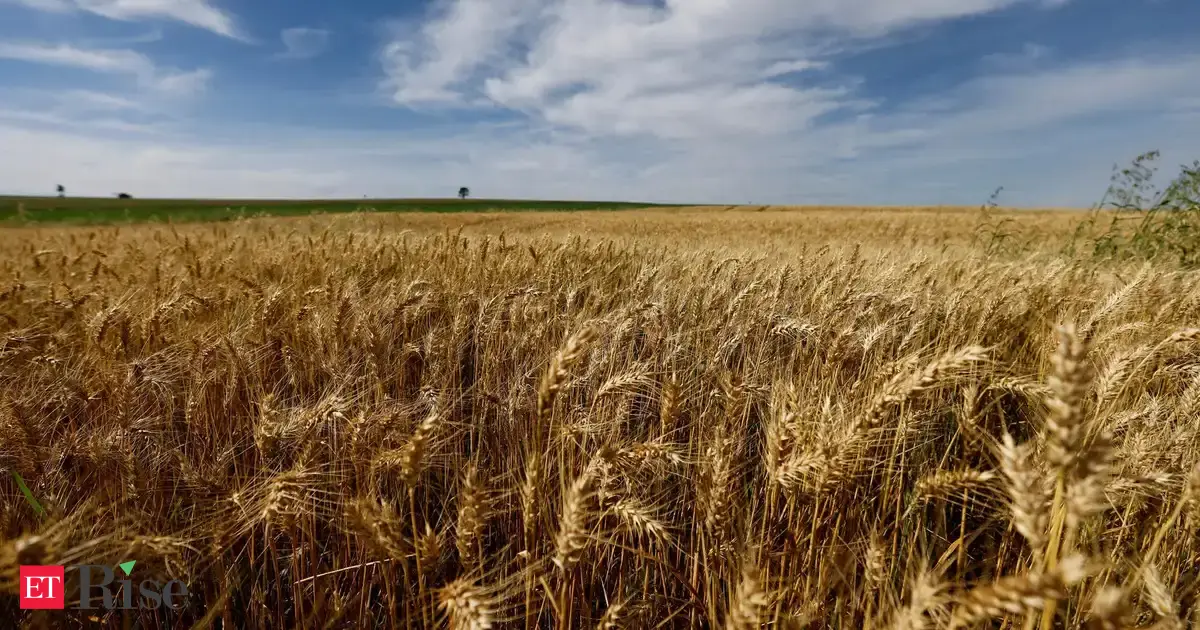
The reopening of the Strait of Hormuz under an interim US-Iran agreement signals potential relief in global energy logistics, a critical input cost for agricultural production. Crop commodity prices are declining in anticipation of reduced shipping constraints and lower energy costs, which directly compress farm input expenses across fertilizers, fuel, and mechanized operations.
Easing input inflation in agriculture alleviates structural pressure on food price baskets, particularly relevant for emerging markets sensitive to commodity volatility. The geopolitical de-escalation reduces supply chain uncertainty and risk premiums embedded in agricultural futures, allowing price discovery to reflect underlying supply-demand fundamentals rather than conflict hedges.
Consumer-facing sectors benefit from potential food price stabilization, reducing deflation risks in discretionary spending power. However, this development remains contingent on agreement durability and actual shipping lane normalization, creating near-term volatility as market participants assess implementation probability and timeline.
Sector implication: Defensive consumer sectors and food producers gain from inflation moderation, while commodity-intensive industrials face margin pressure from lower input prices that may not translate fully to retail pricing power. Agricultural equipment manufacturers and fertilizer producers face headwinds from demand normalization.