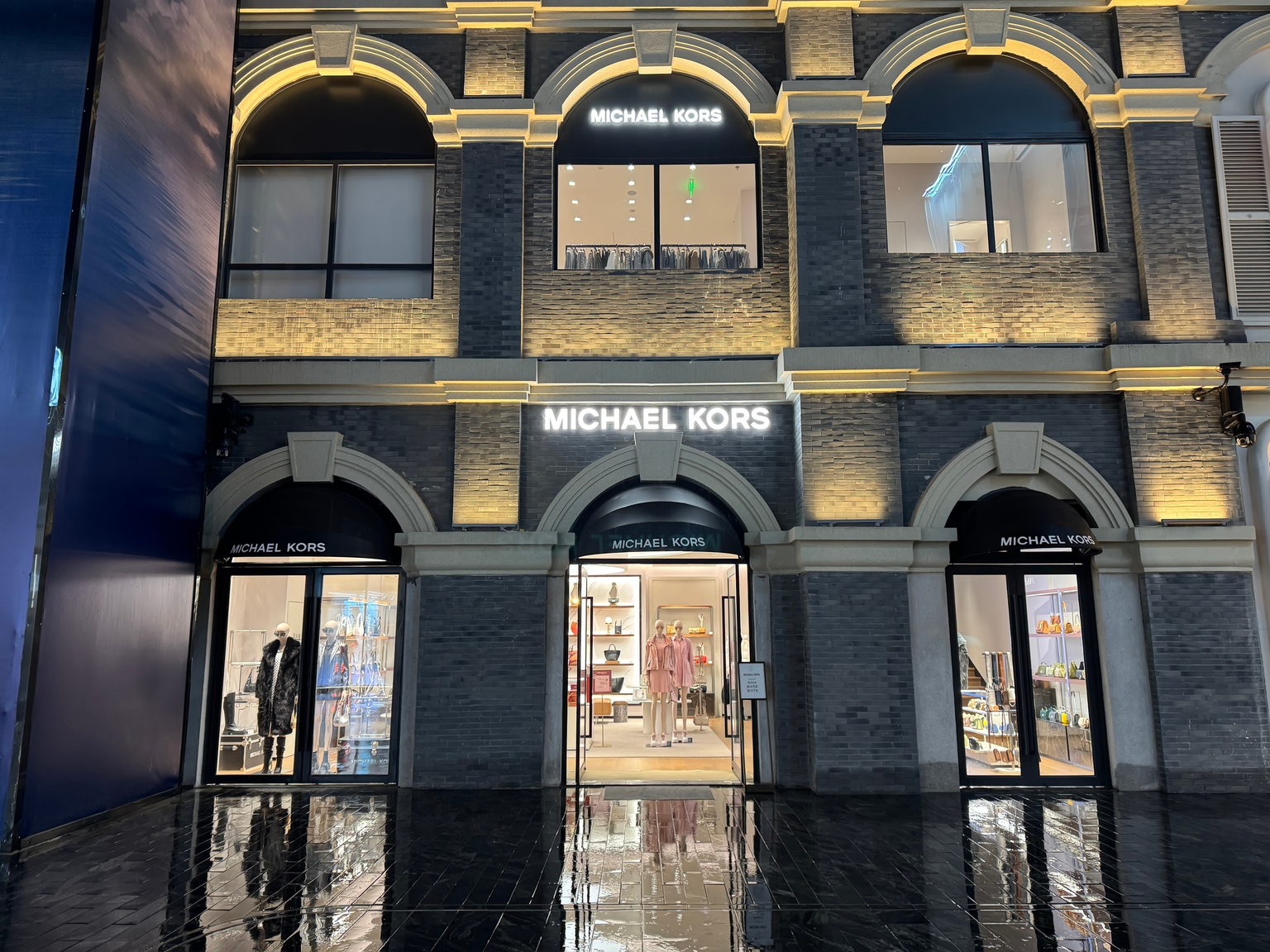
Capri Holdings (CPRI) has executed a strategic portfolio reshaping through the Versace divestiture, materially reducing its debt burden and improving balance sheet flexibility. The asset sale generates capital redeployed toward shareholder returns via an accelerated buyback program, signaling management confidence in the turnaround narrative despite ongoing operational headwinds.
The company's forward guidance through FY2027 targets for earnings-per-share and free cash flow growth suggest management believes CPRI has stabilized its core operations and can generate sustainable returns. However, the articulation of medium-term targets rather than near-term inflection points implies the turnaround remains a multi-year process with execution risk still embedded in the story.
Debt reduction and capital allocation toward shareholders typically reduce systemic risk and improve credit metrics, providing some defensive characteristics. Yet consumer discretionary exposure to luxury brands remains cyclically sensitive, and the timing of a meaningful earnings recovery remains uncertain given macro consumer spending volatility.
Sector implication: This development reflects selective optimization within Consumer Cyclical luxury positioning, attractive for debt-conscious investors but insufficient to signal broad sector rotation. The buyback and deleveraging are positive structural signals rather than growth catalysts in a near-term demand environment.