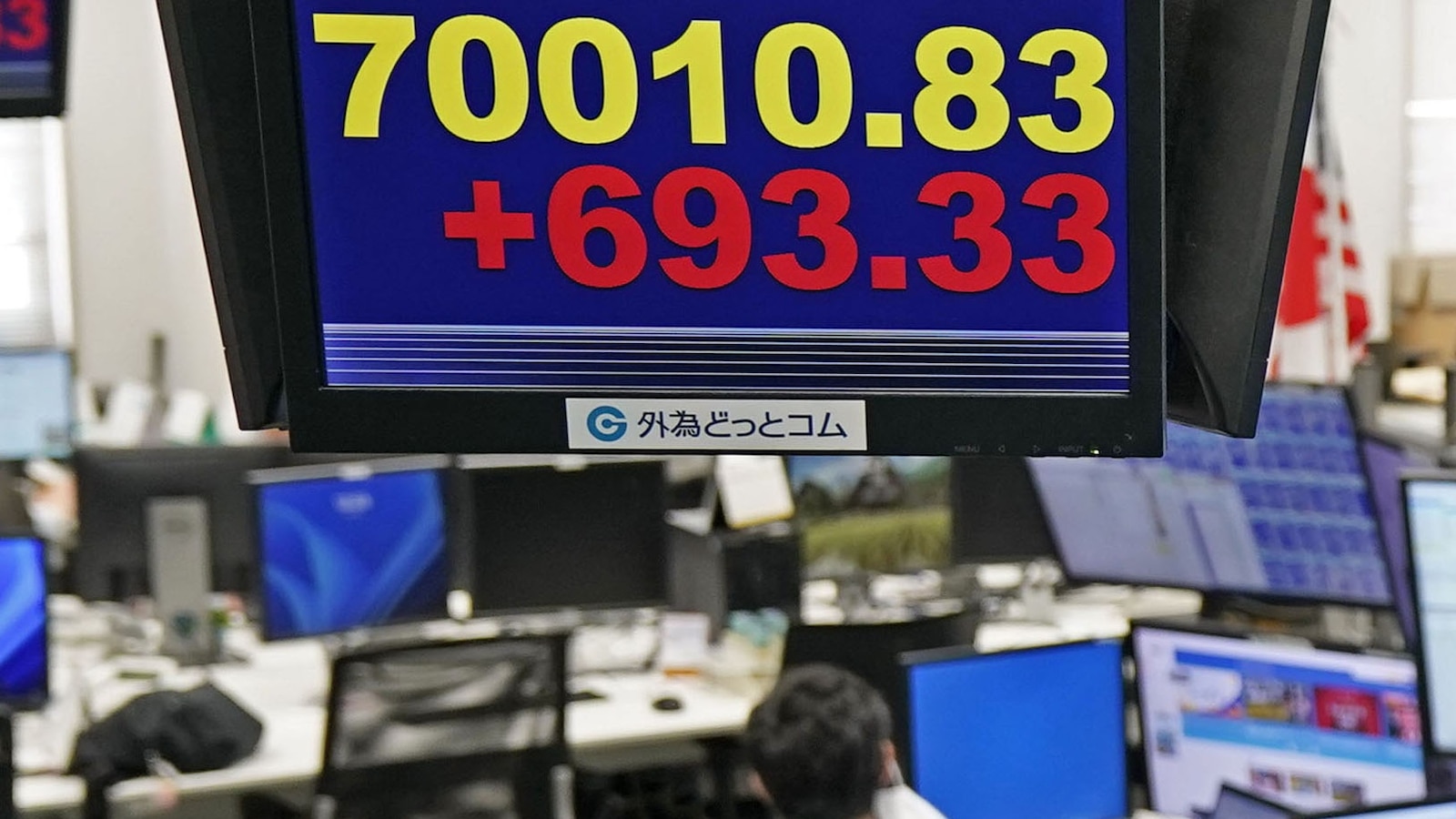
The Bank of Japan's decision to raise its policy rate to 1% represents a significant policy inflection and marks a watershed moment for global monetary conditions. This move—the first meaningful tightening cycle from the BOJ in years—signals confidence in Japan's economic recovery and reduces downside tail risks from persistent ultra-loose policy. The Nikkei's breach above 70,000, albeit with profit-taking, reflects investor appetite for Japanese equities and potential currency appreciation headwinds for yen-denominated assets.
For semiconductor firms like MU (Micron) and AMD, the BOJ rate hike carries mixed implications. Higher rates may constrain corporate capex spending in Japan and Asia-Pacific, potentially dampening near-term memory and processor demand cycles. Conversely, yen depreciation—a historical byproduct of tightening surprises—could enhance export competitiveness and make US chip manufacturers more attractive to global buyers seeking dollar diversification.
The technology sector's initial rally reflects relief that rate normalization is proceeding gradually and in a supportive global growth context. However, the Nikkei's early gains being trimmed suggests market participants are pricing in near-term volatility and reassessing valuations in a higher-rate environment. Regional divergence in monetary policy—with the BOJ tightening while the Fed remains data-dependent—may create currency and capital flow dislocations.
Sector implication: Technology and Financial Services benefit from clarity and rate normalization, but face valuation compression risks. Asian exporters and dual-listed semiconductor plays warrant monitoring for currency and margin sensitivity. The BOJ shift reinforces a broader trend toward policy synchronization, potentially supporting risk assets if coupled with stable inflation expectations.