US stocks: US market rallies, Dow ends with record on US-Iran deal, oil price slide
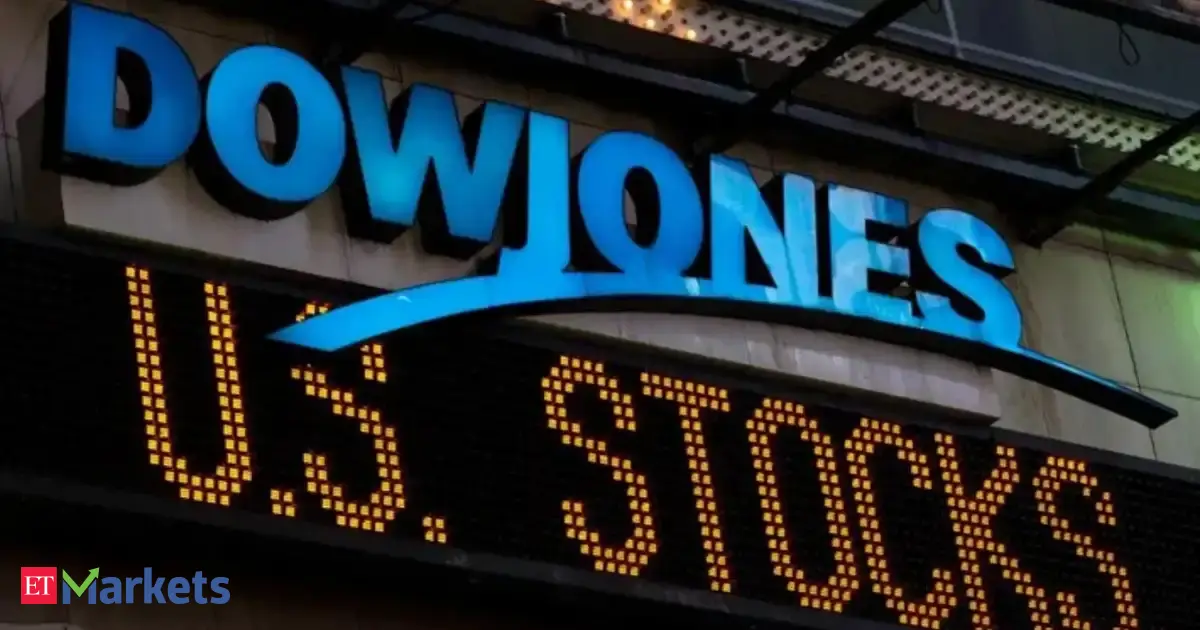
The preliminary US-Iran agreement represents a significant geopolitical de-risking event that triggered immediate repricing across multiple asset classes. Oil price decline—a direct consequence of reduced Middle East tensions—reduces cost-push inflation expectations, thereby lowering the ceiling on Federal Reserve rate decisions. This dynamic particularly benefits rate-sensitive equities such as technology and growth-oriented sectors that faced headwinds from higher discount rates.
Rate-sensitive technology stocks including NVDA and ROKU experienced uplift as the oil-driven inflation scare diminished, reducing probability of aggressive Fed tightening. The relief rally also lifted cyclical beneficiaries like airlines that depend on fuel costs as a material input. Energy sector weakness is the inverse corollary—lower oil prices compress margins for upstream and midstream operators despite broader market strength.
The Dow's record close masks significant internal dispersion: energy stocks face headwinds while tech and discretionary sectors gain. The upcoming Federal Reserve policy update carries heightened significance in this context, as the inflation narrative has shifted materially. Market participants are now repricing terminal rate expectations downward based on commodity normalization.
Sector implication: This is a classic risk-on rotation where inflation-hedging sectors (energy) cede leadership to growth and duration-sensitive equities (technology, communication). The oil price transmission mechanism remains the critical variable; further crude normalization would extend the relief rally, while any reversal of geopolitical gains could quickly reverse positioning.