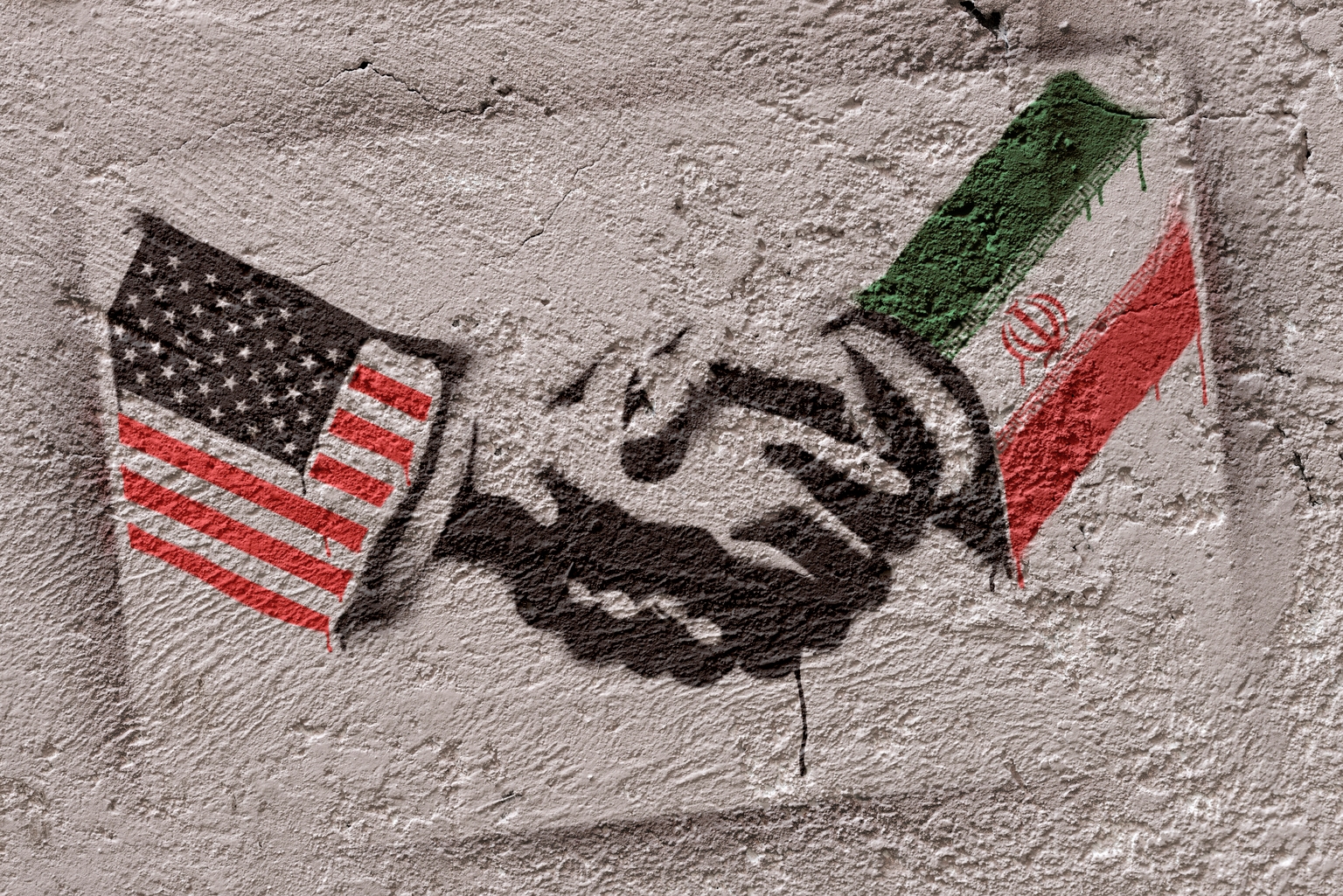
A U.S.-Iran peace framework represents a significant geopolitical de-escalation with direct commodity implications. The reopening of the Strait of Hormuz, one of the world's most critical oil chokepoints, signals reduced supply-side risk premium in crude markets. This development carries HIGH market-moving potential given the strategic nature of Middle Eastern energy flows and their systemic importance to global financial conditions.
Energy equities face immediate headwinds as a peace resolution typically correlates with lower oil price expectations. XLE, CVX, and XOM would experience margin compression if crude stabilizes at lower levels, reflecting the inverse relationship between geopolitical stability and energy valuations. The removal of supply uncertainty removes a traditional inflation hedge, reshaping portfolio positioning across commodities.
Conversely, this framework supports broader market risk appetite. Consumer cyclicals and financial services benefit from lower energy input costs and reduced macro uncertainty. The stabilization of a critical global supply corridor reduces tail risks that typically warrant defensive positioning, allowing capital reallocation toward growth-oriented sectors and risk assets.
Sector implication: Energy sector faces secular headwinds from both supply normalization and potential shift toward cleaner energy policy. Consumer Cyclical and Financial Services gain from improved macro stability, tighter credit spreads, and lower energy-driven inflation expectations. Market correlation likely remains elevated as broader risk-on sentiment dominates near-term trading patterns.