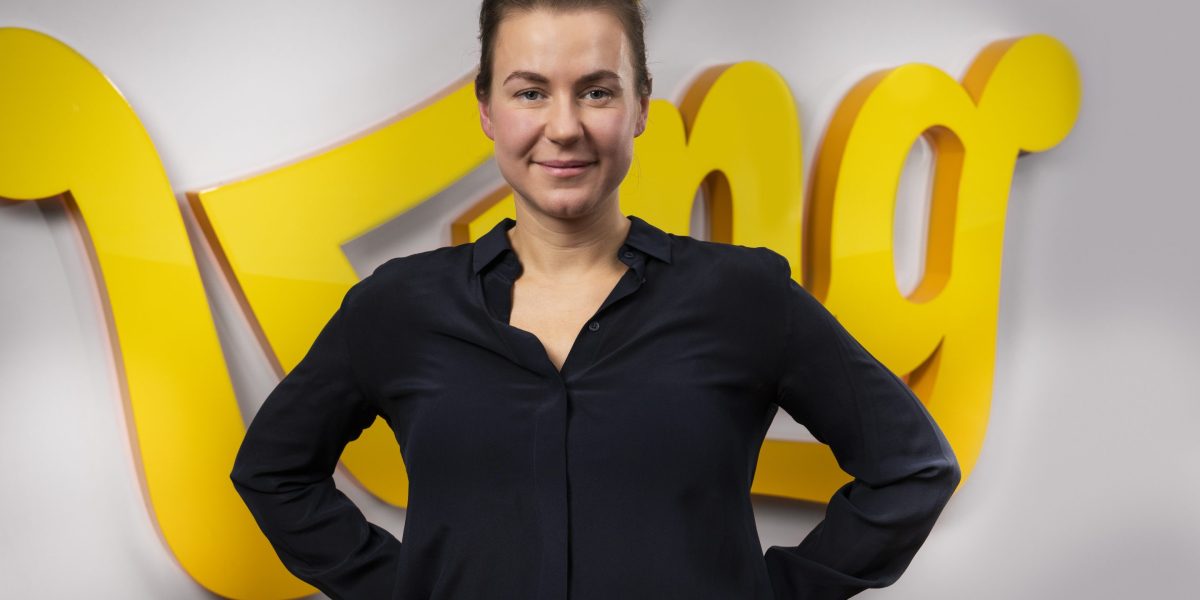
King Digital Entertainment (Activision Blizzard subsidiary) is publicly positioning handcrafted game design as a competitive moat against industry-wide AI automation trends. This contrarian stance reflects growing tensions between efficiency-driven automation and quality-driven differentiation in the $200+ billion gaming market.
The statement that Candy Crush's 21,000+ levels remain manually designed signals confidence in human creativity's market value. This messaging counters prevailing Silicon Valley narratives and suggests the studio believes players perceive algorithmic content as inferior—a quality premium thesis that could resonate with investors skeptical of AI's creative applications.
For the gaming and interactive entertainment sector, this positions human-led design as defensible intellectual property. Companies competing on engagement metrics may face pressure to justify automation investments if player satisfaction metrics diverge from AI-generated experiences.
Sector implication: The statement reinforces a bifurcating market: automation-heavy platforms (lower cost) versus human-crafted experiences (premium positioning). Communication and media firms relying on content differentiation could benefit from this narrative, though broader Technology sector AI enthusiasm remains unshaken by one company's design philosophy.