Team careers in science: formation, composition and success of persistent collaborations
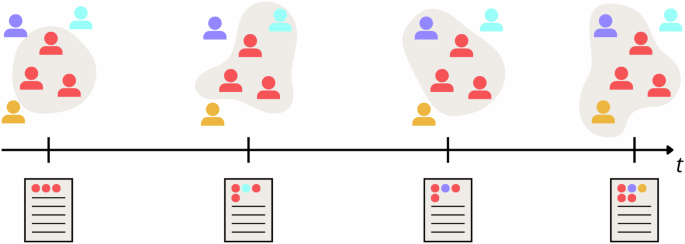
This article presents an academic meta-analysis of scientific collaboration patterns across 205 million papers spanning 1900 to present. The research distinguishes between persistent core teams—stable groups of co-authors consistently working together—and transient members who participate sporadically. This distinction represents a methodological refinement in understanding how innovation actually propagates through research networks.
The core finding emphasizes that persistent collaboration structures rather than individual papers or ad-hoc groupings may be the true drivers of scientific advancement. By extracting 511,550 statistically significant core teams, the study suggests that organizational resilience and continuity matter significantly in breakthrough research environments. This has implications for institutional science funding strategies and talent retention models.
From a commercial perspective, this research validates long-term team investment models used by pharmaceutical R&D, biotech platforms, and corporate research divisions. Companies like those in Health Care and Technology sectors increasingly recognize that persistent team formation outperforms high-turnover hiring models for innovation productivity.
Sector implication: While this is pure academic research with no direct market catalyst, the findings reinforce structural arguments for investing in companies with strong R&D continuity (biotech, pharmaceuticals, software development). The data supports institutional narratives around long-term team-based innovation cultures versus transactional research approaches.