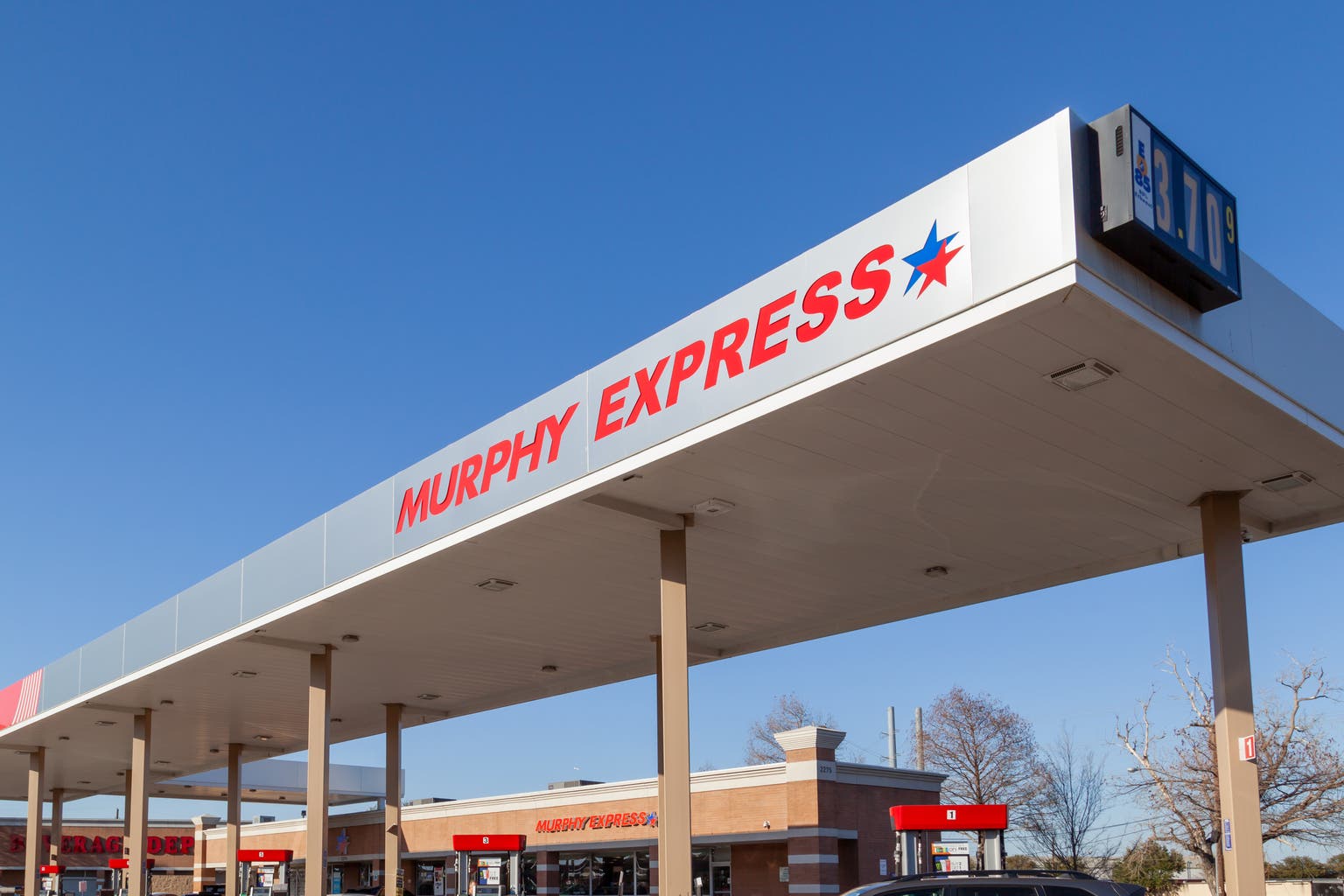
Murphy USA (MUSA) operates a retail fuel and convenience model that benefits from elevated commodity prices, creating a structural advantage as margin dynamics shift. Higher fuel costs typically drive consumers toward discount positioning and bundled purchasing—precisely where MUSA's low-cost gasoline plus high-margin snacks, tobacco, and beverage offerings gain traction.
The thesis hinges on fuel price elasticity and consumer traffic patterns. When pump prices rise, convenience retailers with competitive fuel economics attract volume-sensitive customers seeking value bundles. This cross-category monetization creates multiple revenue streams from single-trip visits, amplifying per-transaction profitability beyond fuel margin compression.
Market structure favors standalone convenience operators over integrated majors during price spikes, as scale in ancillary categories—not crude hedging—drives shareholder returns. MUSA's asset-light model and franchise network reduce capital intensity, improving free cash flow conversion during inflationary fuel cycles.
Sector implication: This represents a defensive-to-cyclical trade within Consumer discretionary, where commodity input cost elevation paradoxically strengthens competitively-positioned retailers. Macro sensitivity remains tied to fuel volatility and consumer credit health.