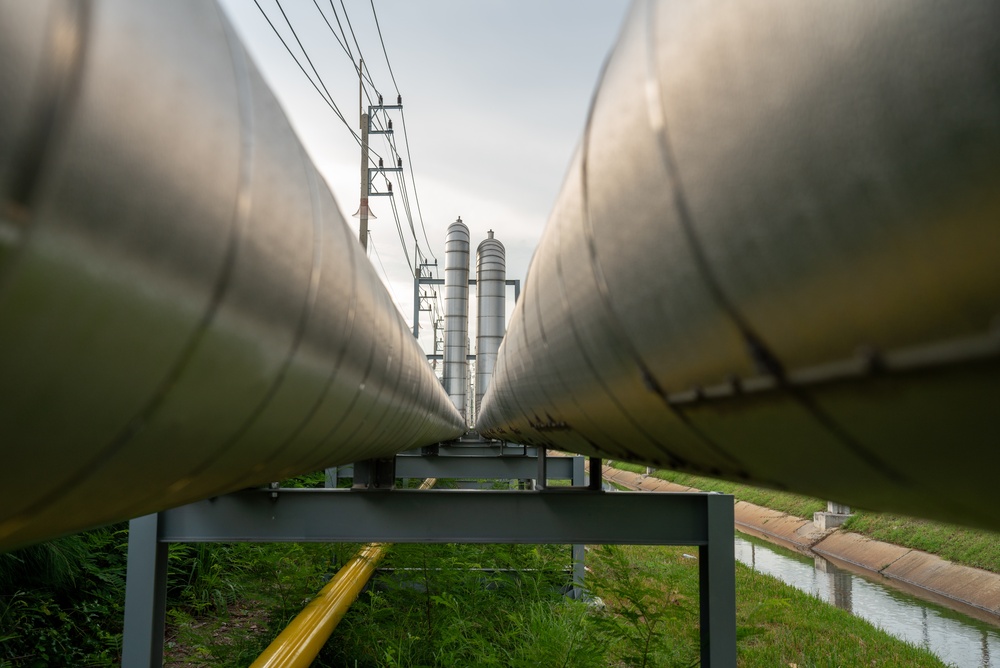
Midstream energy infrastructure companies are experiencing renewed tailwinds as natural gas and oil logistics demand stabilize across North America. These operators function as intermediaries in the energy value chain, transporting and processing hydrocarbons from production to end markets—a role insulated from commodity price volatility through fee-based revenue models.
The tailwind narrative reflects structural demand for pipeline capacity, processing terminals, and storage infrastructure. AMLP and ENFR benefit from both operational leverage and distribution yields, attracting income-focused investors. Midstream MLPs and funds capitalize on regulatory frameworks and long-term commercial contracts that provide revenue stability regardless of upstream drilling cycles.
This positioning represents a defensive energy play, contrasting sharply with upstream exploration exposure. As energy demand normalizes and infrastructure utilization improves, midstream assets become economically rational holdings for diversified portfolios seeking energy sector participation without direct commodity beta.
Sector implication: Energy sector rotation favors logistics and distribution over upstream exploration and production. Broader implications remain modest unless accompanied by major capital deployment announcements or regulatory tailwinds—currently tracking as sector-specific rather than macro-moving.