Microsoft weighs an Xbox spinoff. Would it revive the business or put it at risk?
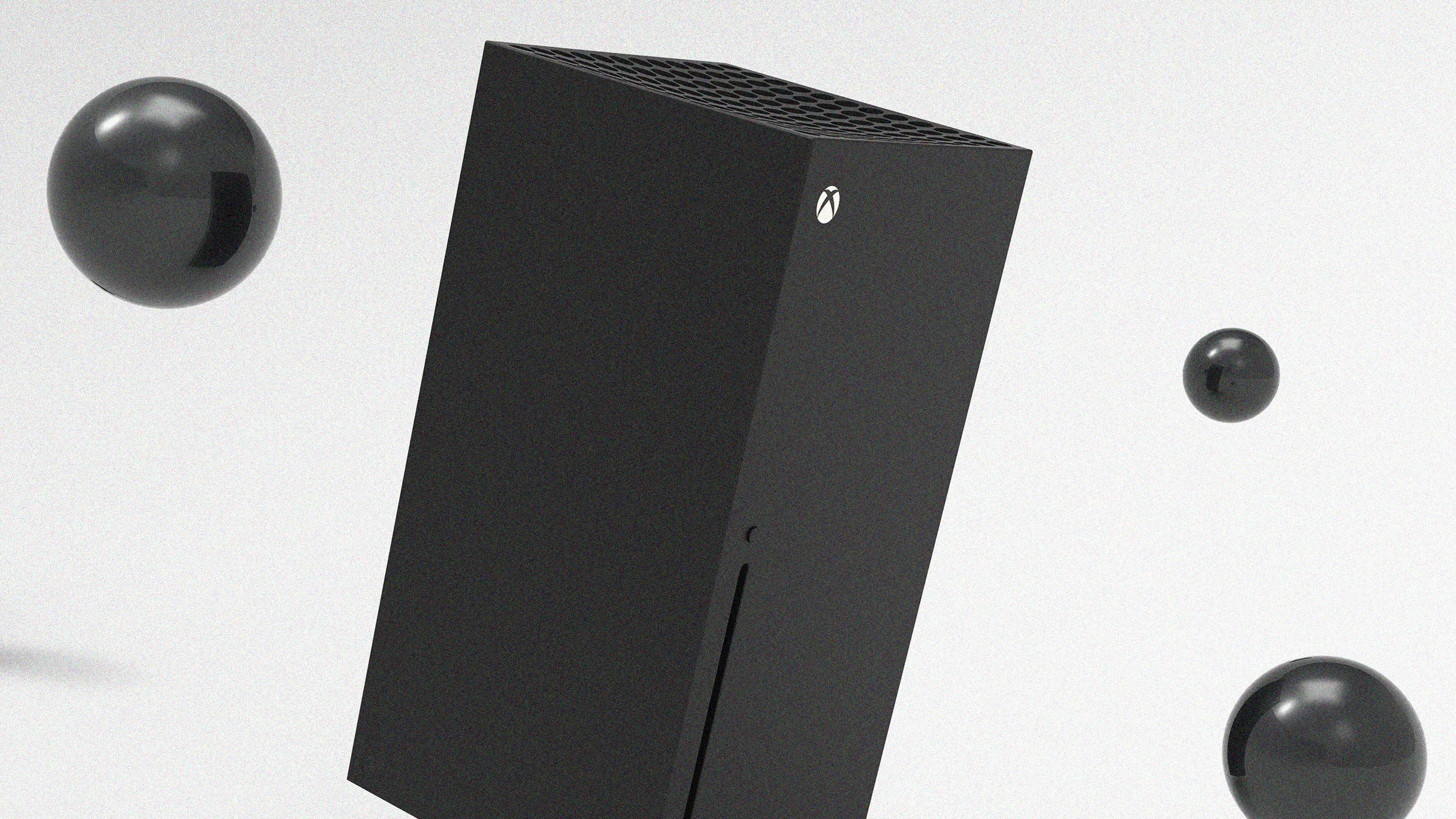
Microsoft is evaluating a potential spinoff of its Xbox gaming division, a strategic pivot driven by structural headwinds in console hardware sales and escalating operational costs. This represents a fundamental reassessment of the company's gaming portfolio, which has underperformed relative to broader entertainment and software segments.
The spinoff thesis hinges on isolating gaming assets into a standalone entity to unlock shareholder value and attract specialized investment capital. However, the summary underscores critical execution risks: hardware commoditization, competitive intensity from Sony and Nintendo, and the capital requirements for sustaining multi-generational console cycles present material obstacles to standalone viability.
Separation would sever synergies with Microsoft's cloud infrastructure (Azure), subscription services (Game Pass), and enterprise ecosystem—potential value-destructive consequences. Conversely, independence could enable aggressive pricing, content licensing, and partnership strategies unconstrained by corporate guardrails.
Sector implication: A spinoff signals management's acknowledgment that consolidated technology conglomerates face opacity premiums, particularly in cyclical hardware-dependent verticals. This reflects broader investor preference for pure-play exposure. For competitive positioning, Sony faces adjacency risk if Microsoft's separated entity pursues disruptive distribution or subscription models.