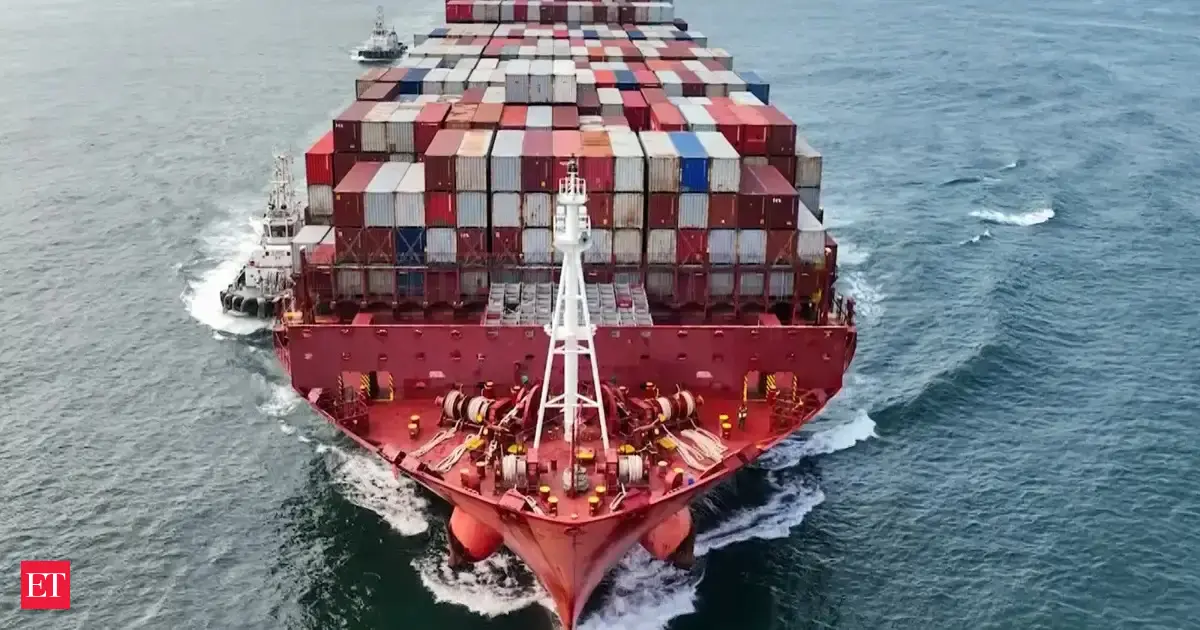
Geopolitical tension in the Strait of Hormuz is forcing multinational corporations to undertake urgent supply chain reconfiguration, signaling elevated structural risk to global trade. Siemens Energy and port operators like DP World are implementing costly alternative logistics routes through the Arabian Peninsula, indicating that theoretical contingency plans are now operationalized—a material shift from scenario planning to active disruption.
The forced pivot to terrestrial and extended maritime routes carries significant cost implications. Road networks across the Arabian Peninsula lack the throughput and efficiency of Hormuz transit, creating margin compression for logistics providers and manufacturers dependent on just-in-time supply models. Companies like Spinneys face elevated operational expenses that may not be immediately recoverable through pricing, particularly in competitive retail segments.
This disruption extends beyond immediate trade friction. Sustained Hormuz closure risk dampens capital expenditure confidence across industrial and energy sectors, as firms allocate resources toward redundancy and route diversification rather than growth initiatives. The broader implication is stagflationary pressure—higher transport costs without corresponding demand acceleration.
Sector implication: Industrials and Energy face margin headwinds; logistics and transportation companies absorb short-term costs while pricing power remains constrained. Consumer-facing companies experience input cost inflation with delayed pass-through capability, creating asymmetric risk across supply chain tiers.